Morocco watermelon prices crash TikTok viral videos
Videos accusing Moroccan watermelons of containing pesticides or worms have triggered a collapse in demand. Despite reassuring ONSSA controls, the fruit price has plummeted to 1 dirham per kilo on some markets.
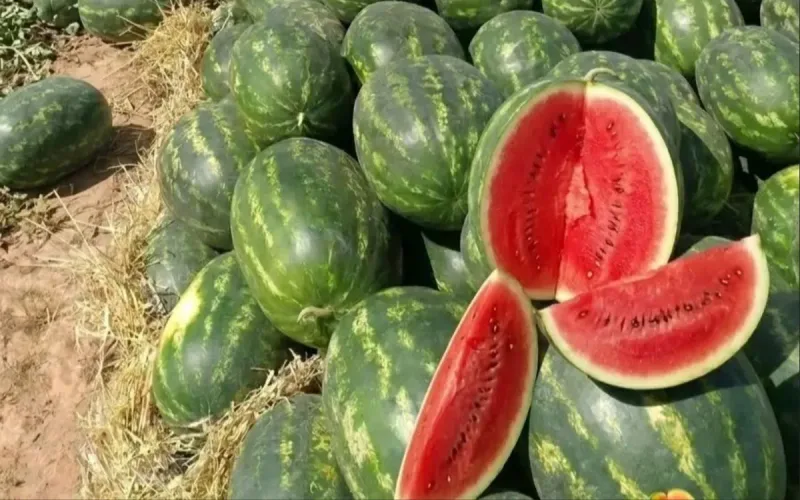
Like every summer, Moroccan watermelon finds itself at the heart of alarmist posts on social media. Videos shared on Facebook, TikTok and Instagram claim, without scientific evidence, that certain fruits would be contaminated by pesticides, infested with worms or unfit for consumption.
On Bladi.net : Moroccan Watermelon Safety: ONSSA Confirms No Health Risks
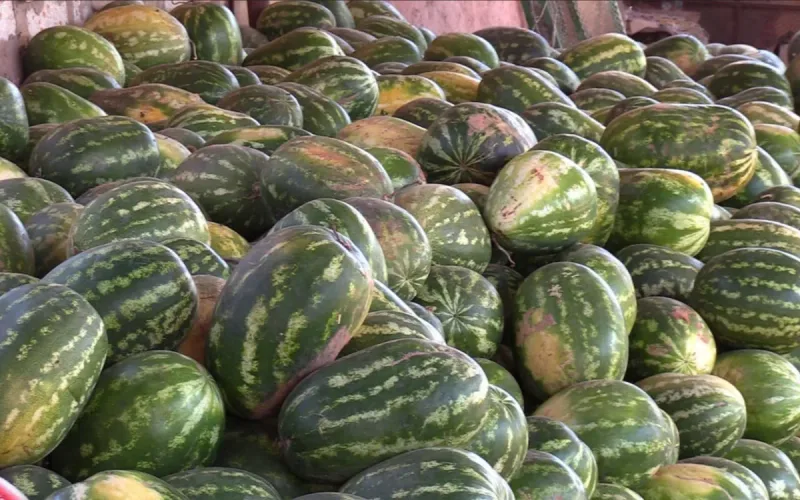
These contents have ended up installing doubt among some consumers. At the wholesale market in Casablanca, professionals are noticing a clear slowdown in sales and a sharp drop in the number of trucks coming to load harvests.
The price per kilo, sold between 4 and 5 dirhams at the start of the season, has now fallen between 1 and 2 dirhams on the wholesale market. It rarely exceeds 2 dirhams at some retailers, without this drop being enough to revive demand.
Fear crashes prices
The National Food Safety Office assures that controls carried out revealed no anomalies. By end of June 2026, more than 5,600 samples of fruits and vegetables had been analyzed, including 557 watermelon samples. All were compliant with current health standards, reports Le Matin.
European data shows no alerts concerning Moroccan watermelon since 2023. Of the 625 alerts recorded in 2026 for fruits and vegetables imported into the European Union, three concerned Moroccan products, but none targeted watermelon.
For the president of the National Federation of Consumer Rights, Bouazza Kherrati, the repetition of these rumors could serve the interests of certain intermediaries. By reducing demand, the latter could push producers to sell their harvests at particularly low prices. This hypothesis is however supported by no formal evidence.
On Bladi.net : Watermelon Sales Plummet in Morocco Despite Price Drop, Sellers Struggle
Professionals are now calling on ONSSA to communicate more about its controls in order to reassure consumers. They are also asking for a more visible presence in markets, while farmers are already bearing the financial consequences of this new wave of mistrust.