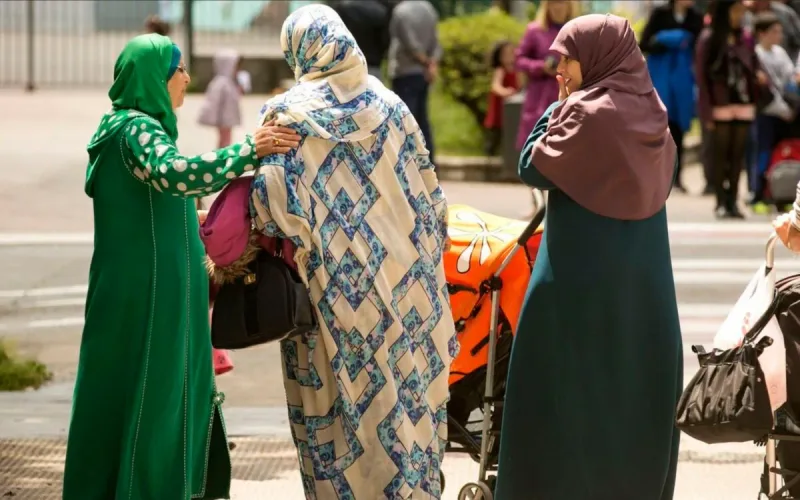
North African Integration Paradox: Success and Discrimination in France
A vast demographic survey presents an unprecedented picture of French society. While cultural integration of immigrant children succeeds, access to employment remains particularly difficult for those from the Maghreb, facing persistent strong discrimination.
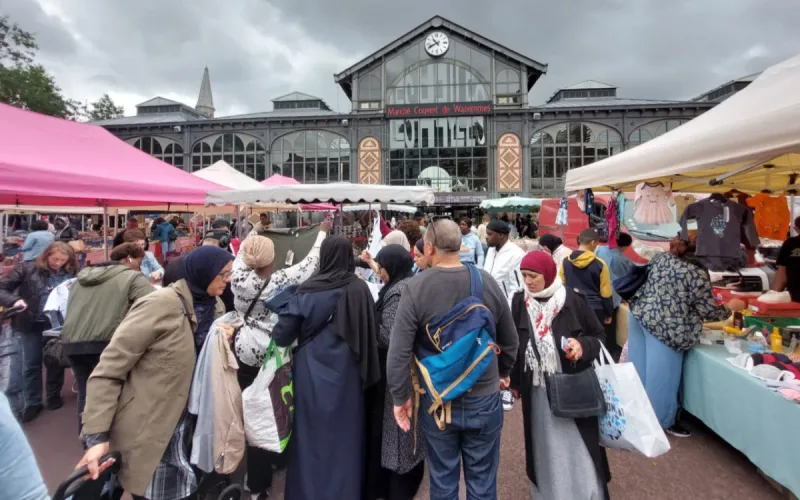
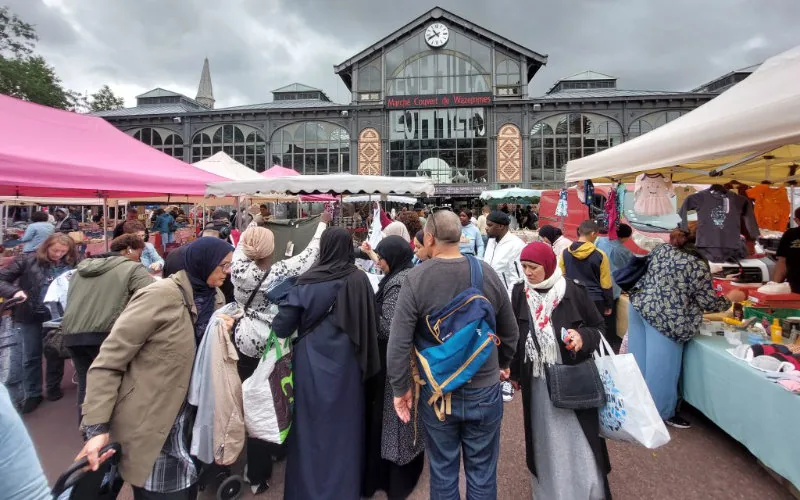
Today, one third of residents in mainland France aged 18 to 59 maintains a direct link with immigration across three generations. This is what the extensive study "Trajectories and Origins 2" reveals, as reported by The Conversation. Historically European, the foreign population became highly diversified from the 1960s onwards. Now, arrivals from the Old Continent are in the minority. The Maghreb weighs heavily in this new landscape: Algerians, followed by Moroccans and Tunisians, represent one third of immigrants settled in the country by themselves.
On Bladi.net : Moroccan Children in France Achieve Higher Education Success
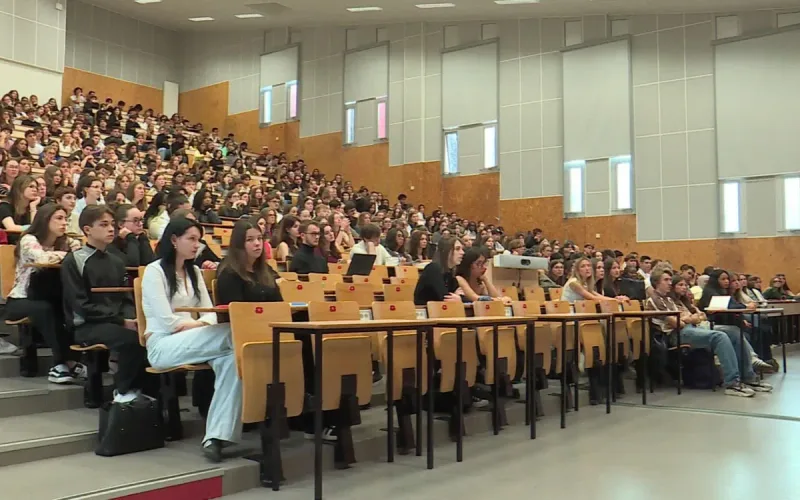
The survey challenges several misconceptions about assimilation. On the sociocultural level, practices clearly converge towards those of the majority population. Cris Beauchemin, co-director of the work, observes the emergence of a "hyphenated identity": one third of immigrant children identify simultaneously with France and their parents’ country. In terms of education, profiles are increasingly qualified. Among foreigners who arrived after 2009, 53% had already accessed higher education before their arrival.
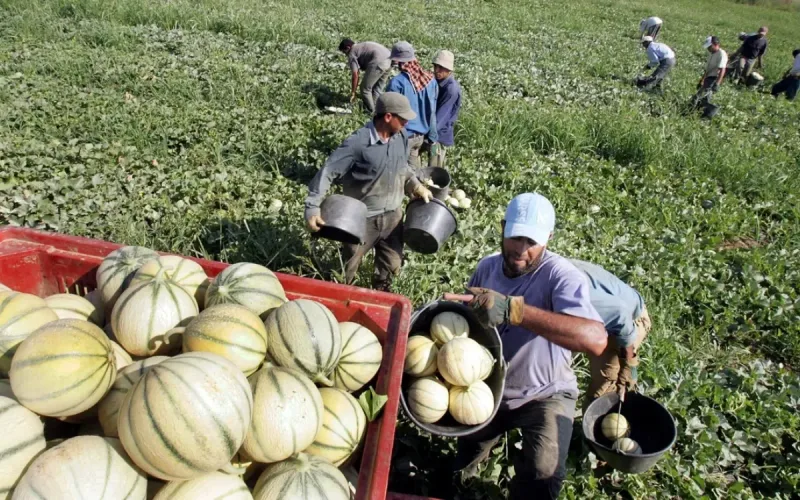
However, this educational and cultural success runs up against a brutal economic reality. In the job market, inequalities explode for visible minorities, particularly for North African nationals. With equivalent profiles, a man from North Africa faces an unemployment risk 6.2 points higher than the average. For women from the same region, this gap reaches 11.7 points. Researchers attribute this striking gap to salary penalties and hiring refusals linked to origins.
On Bladi.net : Study: Moroccan Immigrants Among Largest Foreign-Born Groups in France
This rejection creates a worrying paradox among young generations. Statistics show that racism reports increase among descendants, yet born and educated in France. This phenomenon is explained by their logical expectations towards the promise of republican equality. More demanding, these children of immigrants denounce more the injustices they suffer daily. The study thus alerts to the need to eliminate this persistent gap between completed cultural integration and hindered socioeconomic insertion.