“Packaged in Morocco”: the small disclaimer embarrassing a major Spanish brand
Spanish consumers have discovered that some Cuca sardine tins are packaged in Morocco. The mention has sparked controversy around the historic brand born in Galicia, which has not specified the fish’s exact origin.
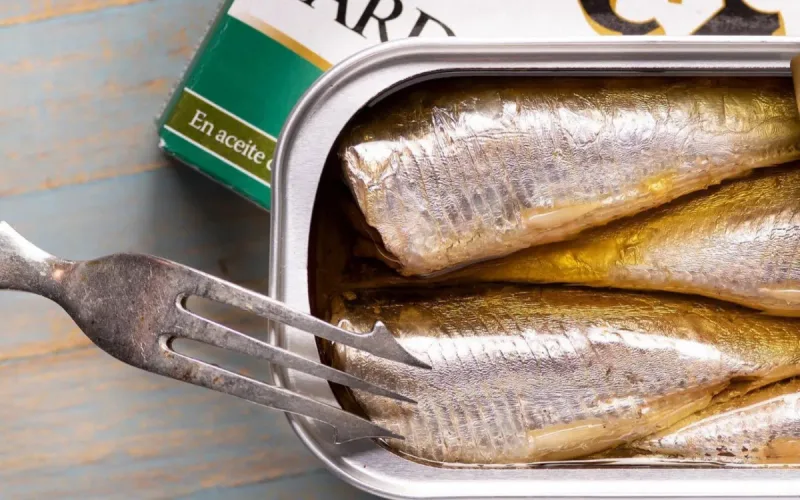
The controversy began with photographs of Cuca sardine tins posted on social media. Printed in small characters on their packaging is the statement “envasado en Marruecos,” meaning “packaged in Morocco.”
Yet Cuca is closely associated with the history of the Spanish canning industry. Founded in 1932 and now owned by Bolton Food, which also owns the Isabel brand, it highlights its traditional methods and the rigorous selection of its fish.
Several consumers say they had long bought its sardines believing they were choosing a wholly Spanish product. “Another brand disappearing from my shopping basket,” wrote the author of a widely shared post. Another said that for about a year and a half, they had been unable to find anything but tins packaged in Morocco.
On Bladi.net : Moroccan Sardines Spain Export Suspension Negotiations
The Spanish media outlet Consumidor Global questioned Cuca and the professional organization ANFACO-CECOPESCA to find out whether Morocco had become its main supplier of sardines. Neither had responded by the time the article was published, on Sunday, September 20.
Packaging does not necessarily mean Moroccan origin
The statement on the tin establishes that the product was packaged in Morocco. However, it does not, on its own, reveal the area where the sardines were caught. Establishing that would require the code for the fishing area or confirmation from the manufacturer.
Morocco’s role in supplying Spain, on the other hand, is beyond doubt. According to data from ANFACO-CYTMA cited by the media outlet, depending on the period, the kingdom supplies between 64% and 94% of the frozen sardines imported by Spain. From January to October 2025, these purchases amounted to 27,400 tonnes.
This dependence has become particularly sensitive since Morocco suspended its exports of frozen sardines in order to protect its domestic market. Spanish canneries have since been seeking to restore their access to Moroccan sardines.
On Bladi.net : article 123562
The restriction does not apply to sardines processed and canned in Morocco. A foreign company can therefore continue to have its production packaged in the kingdom before marketing it in Europe.
The controversy surrounding Cuca is therefore less about an irregularity in labeling than about the gap between the brand’s Spanish image and the discovery that part of its production takes place in Morocco. It also reveals an industrial reality: despite its long canning tradition, Spain depends heavily on the kingdom for its supply of sardines.