Refused because he married in Morocco, this Moroccan man wins against the French administration
A Moroccan man legally settled in France wanted to benefit from family reunification for his wife, who was also already lawfully present in the country. The prefecture refused for one reason only: their marriage had been celebrated in Morocco. The courts have now ruled against it.

The Moroccan man, born in 1992, holds a residence card valid until November 2032. In October 2023, he married a Moroccan woman in Morocco, born in 1996, who herself holds a permit allowing her to stay legally in France.
On Bladi.net : She Was Already Living with Her Husband in France, Moroccan Woman Receives an OQTF
In February 2024, he therefore applied to benefit from family reunification “in-country.” In certain situations, this procedure allows a spouse who is already lawfully present in France not to go through the standard procedure of being brought in from abroad.
A year later, the Rhône prefecture rejected the application. Its reasoning was simple: since the couple had married in Morocco and not in France, the wife could not benefit from this procedure.
The place of marriage is not enough to say no
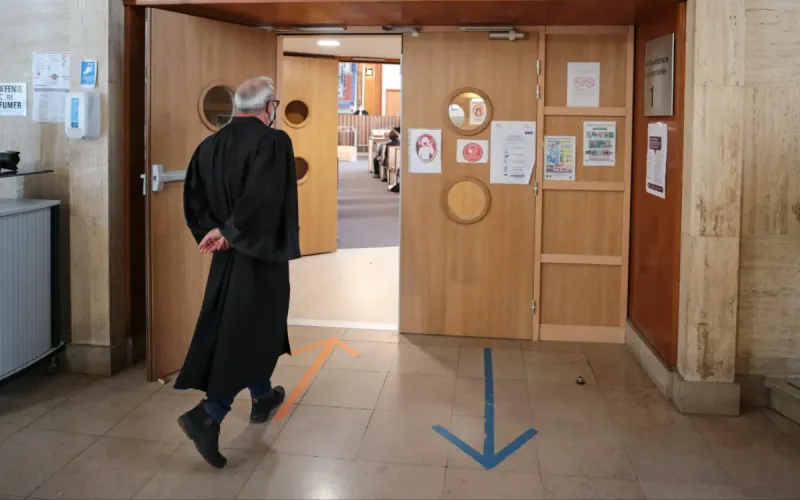
The couple took the matter to court and achieved an initial victory before the Lyon administrative court. The prefecture appealed, arguing that in-country family reunification required the marriage to have been celebrated in France.
But the Lyon administrative court of appeal rejected this interpretation.
In its ruling of June 10, 2026, it held that the provisions on in-country family reunification did not allow the authorities to impose as a condition that the marriage must have taken place on French territory.
The prefecture therefore could not refuse the Moroccan man’s application solely on the grounds that he had married his wife in Morocco, given that she was already lawfully residing in France.
The decision does not mean, however, that family reunification is automatically granted to the couple. The prefecture must review the application again and may still verify the other conditions laid down by law, particularly those relating to the applicant’s situation and the reality of the family life.
But, in this case, the place where the marriage was celebrated can no longer, by itself, be used to close the door to in-country family reunification.
On Bladi.net : Kafala in France: family reunification is a right for Algeria, but not for Morocco
The Rhône prefecture’s appeal was rejected. The state must also pay the couple 1,000 euros in legal costs.