Spanish fishing collapses as Morocco benefits: “The rules are not the same”
The Spanish fishing fleet has shrunk by more than 60% since 1986. At the same time, purchases of Moroccan fish have surged by nearly 50% since 2018, fueling the anger of Spanish industry professionals, who denounce different constraints on the two sides of the Mediterranean.
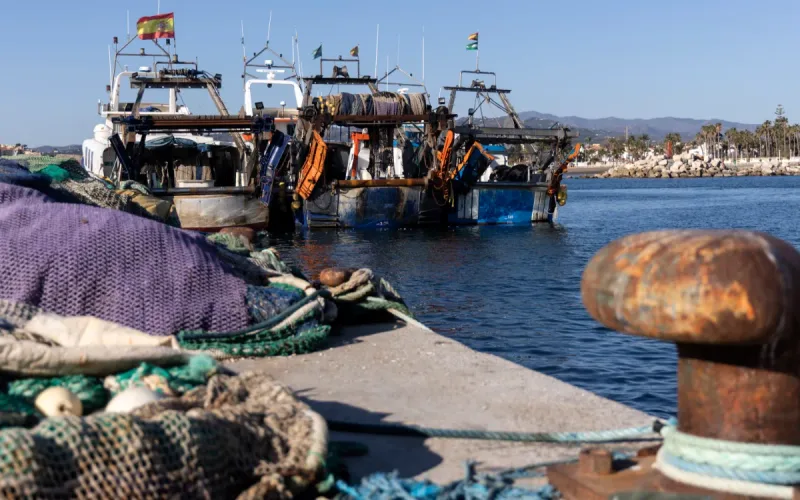
Spain had around 22,000 fishing boats when it joined the European Economic Community in 1986. Forty years later, its fleet numbers only 8,430. This decline has been accompanied by growing dependence on imported seafood products, particularly from Morocco.
According to customs data cited by The Objective, Spanish imports of fish from the kingdom rose from 91.7 million kilos in 2018 to 137.2 million in 2025. The increase therefore reached nearly 50% in seven years.
This growth benefits Morocco’s fishing sector, but worries Spanish fishermen, who face a reduction in the number of days at sea, rising operating costs and the accumulation of European regulations. In the Mediterranean, some Spanish trawlers can now operate for only around 130 days a year.
The situation is particularly concerning in the Valencian Community, which still has 201 trawlers. The regional government estimates that this activity generates 85 million euros per year and directly or indirectly supports around 4,000 people.
On Bladi.net : Spanish Fishermen Face Uncertainty as EU-Morocco Fishing Deal Expires
In the province of Alicante alone, which accounts for 47% of the Valencian fleet, the number of vessels fell by 36.6% between 2006 and 2022, reports El Español.
Spanish fishermen denounce unfair competition
“The rules of the game are not the same for all the countries that share this sea,” denounces José Antonio Díez, secretary of the Santa Pola fishermen’s guild. According to him, North African fleets, mainly Moroccan, have grown by 300% in recent years.
Spanish industry professionals also accuse certain vessels operating in the Mediterranean of using prohibited fishing gear, particularly large drift nets capable of indiscriminately catching several species.
A report by the Environmental Justice Foundation documented the presence, in April 2024, of Moroccan vessels that allegedly fished illegally in the Spanish exclusive economic zone. Alicante fishermen rely on this case to demand greater controls and the application of conditions comparable to those imposed on imported products.
Morocco is not entirely exempt from international regulations. A member of the General Fisheries Commission for the Mediterranean since 1956, it must comply with its binding recommendations concerning, in particular, minimum sizes, certain closed seasons and prohibited fishing gear. However, European restrictions on the number of fishing days do not apply to its vessels.
On Bladi.net : Spain Blocks Moroccan Fish Imports Over Anisakis Parasite Concerns
The comparison is also complicated by the end of the fisheries protocol between Morocco and the European Union, which expired in July 2023. Since then, European vessels have no longer had the licenses that allowed them to fish in Moroccan waters. The dispute over the inclusion of Saharan waters prevented its renewal.
On the Spanish market, Moroccan products continue to gain ground, however. Imports of mollusks from Morocco alone reportedly amounted to 622 million euros in 2025. This is a long-standing trend, with Spain for several years constituting one of the main European outlets for Moroccan seafood products.
The decline of the Spanish fleet therefore cannot be attributed to Morocco alone: it results from several decades of restructuring, European restrictions and rising costs. But the rapid growth of Moroccan imports, at a time when Spanish fishermen are seeing their activity decline, reinforces the perception of an unbalanced competition on both shores of the Mediterranean.