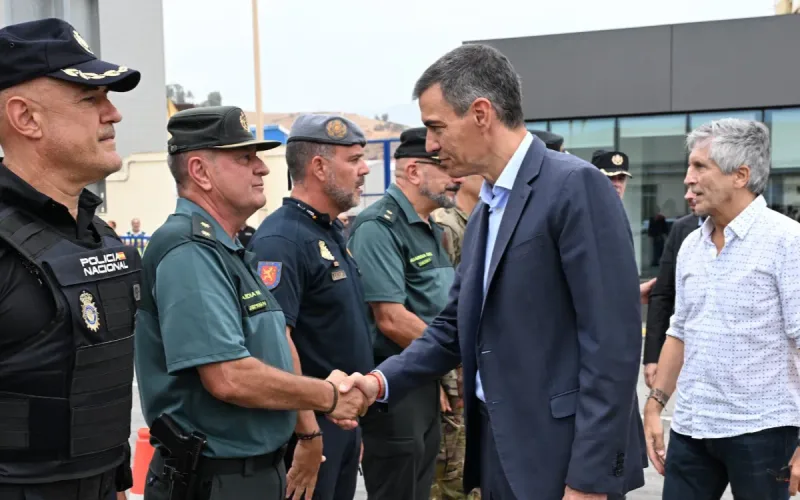
Ten days after Sánchez’s visit to Algeria, Moroccan forces “change their attitude”
Declassified Spanish reports establish a possible link between Pedro Sánchez’s trip to Algeria and the loosening of Moroccan controls during the migration crisis in Ceuta.
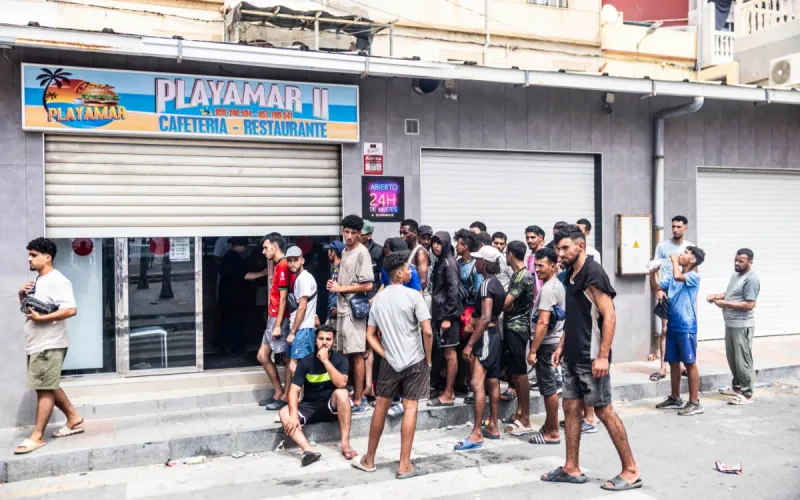
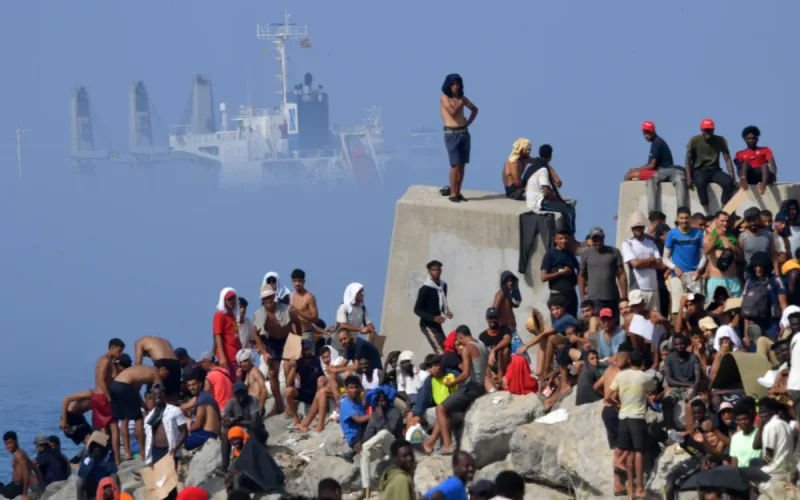
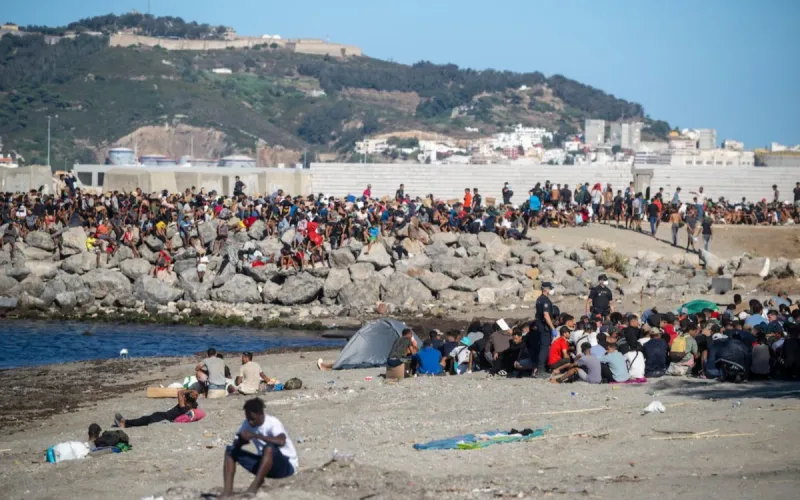
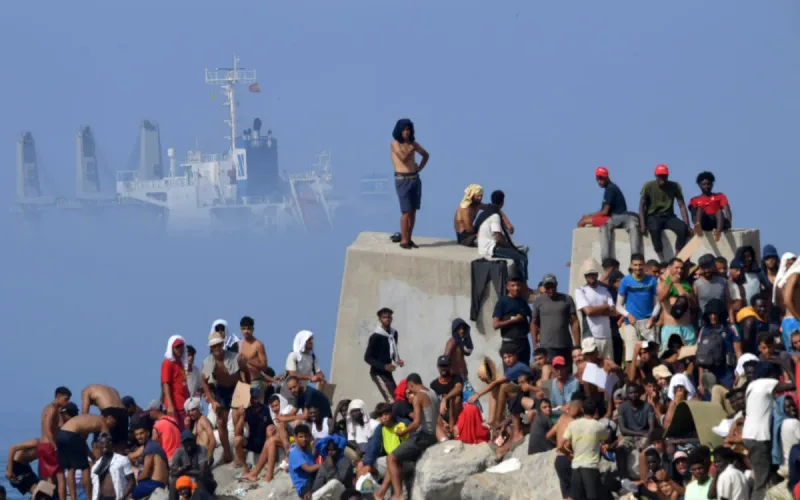
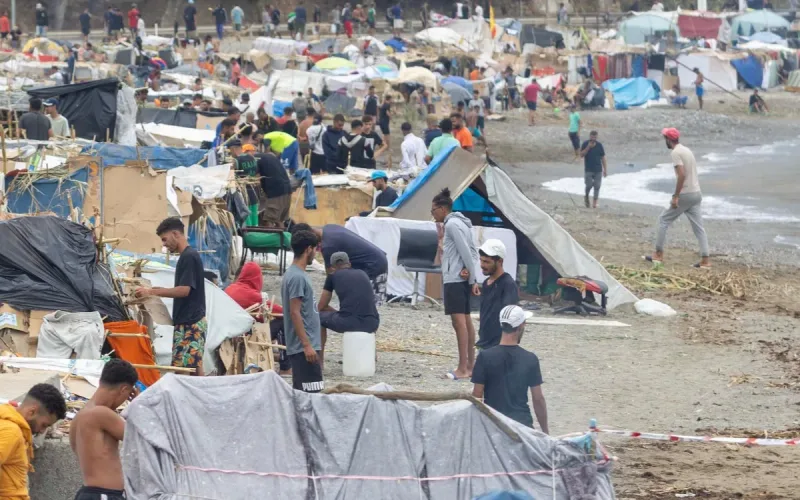
The visit by the president of the Spanish government to Algiers on July 20 had not gone unnoticed in Morocco. Ten days later, military intelligence, the National Police and the Guardia Civil all observed a change in the behavior of Moroccan forces at the Ceuta border.
A report by the Intelligence Center of the Spanish Armed Forces (Cifas), dated July 30 at 1 p.m., considers it “highly likely” that the Moroccan authorities did not actively provoke the mass arrivals. It nevertheless believes that, up to that point, they had acted in a “negligent and passive” manner, reports EFE agency.
On Bladi.net : Ceuta: Judge Opens Investigation into “Hybrid Warfare” and Directly Implicates Morocco
The document does not rule out the existence of a “certain level of discontent” in Morocco following Sánchez’s trip to Algeria. It also considers that Rabat may have sought to exploit the situation created in Ceuta to serve its strategic interests.
A loosening of controls observed at the border
The Guardia Civil reached a similar conclusion. While the Moroccan authorities had cooperated in the preceding days, they allegedly began, from July 30 onward, to allow those seeking to cross to approach the border. Another document explicitly refers to a “change in attitude” by the Moroccan security forces.
The agents allegedly avoided any repressive behavior, particularly on the day of the Throne Day celebration. The Guardia Civil mentions possible collusion in response to political events, including Sánchez’s trip to Algiers. This finding complements a previous report by the Spanish police accusing Moroccan agents of guiding the crossings.
On Bladi.net : 72,000 crossings from Morocco: Spain deploys the military option in Ceuta
The National Center for Immigration and Borders had already warned, as early as July 29, of a “possible temporary loosening of Moroccan border controls.” Spanish services were then concerned about a rapid deterioration: Cifas considered the activation of the Spanish armed forces in the very short term “almost certain,” while the police referred to an “extreme risk of collapse.”