Why Do So Few Moroccan Women Work?
In Morocco, only 17.5% of women participate in the labor market, compared with around 51% worldwide. The World Bank points to very concrete obstacles: childcare, transportation, working conditions, and the behavior of certain employers.
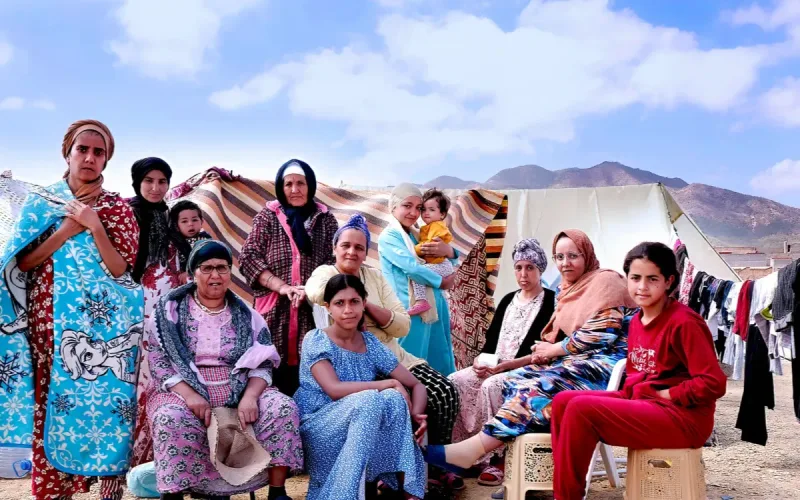
Morocco ranks near the very bottom worldwide for women’s participation in the labor market. With a female labor-force participation rate of just 17.5%, the kingdom ranks 186th out of 195 countries, according to data cited by the World Bank.
On Bladi.net : Morocco Unemployment Rate Falls: What the Numbers Really Hide
In its report monitoring Morocco’s economic situation, the institution identifies several obstacles preventing more women from working or actively seeking employment.
It notably cites the lack of affordable, quality childcare services, public transportation that is not sufficiently safe or accessible, and working conditions that are not conducive to family life.
These practical difficulties are compounded by behavioral biases among certain employers, also highlighted by the World Bank.
17.5% does not mean that 82.5% are unemployed
The labor-force participation rate measures women who are working or actively seeking employment. Those who have stopped looking for work are therefore not included.
The HCP’s new survey lowered this rate from 19% under the previous methodology to 17.5%. But the World Bank warns that this does not represent a sudden drop in female employment: the new method notably reclassifies discouraged workers and unpaid agricultural family workers as outside the labor force. The previous figure therefore partly overstated actual participation.
The problem therefore goes beyond job creation alone. To sustainably increase female labor-force participation, the World Bank believes action will be needed both to improve access to work and to improve the conditions offered by companies.
On Bladi.net : Morocco: World Bank Sounds the Alarm
Accessible childcare centers, safe transportation, work organization compatible with family life, and sufficiently productive jobs to offer better wages: Moroccan women’s low labor-force participation rate appears less to be a single problem than the sum of several very concrete obstacles.