Sport
Morocco World Cup 2026 preparation Brazil clash
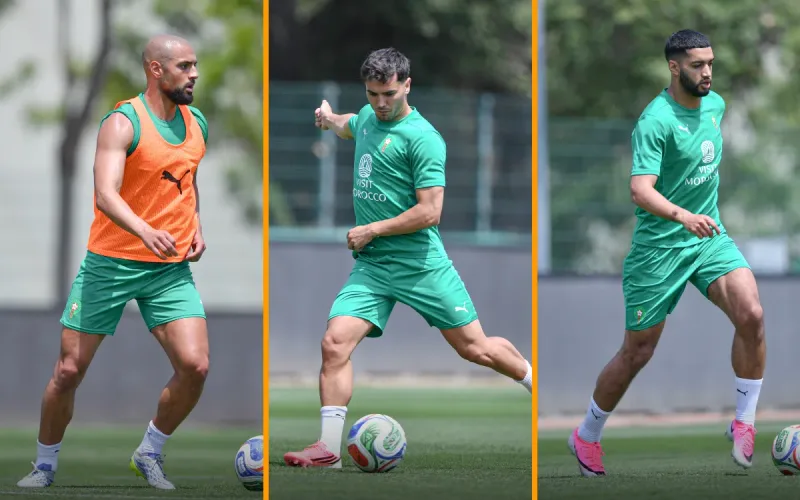
Morocco’s team began its training on Friday, May 29 for the 2026 World Cup . Under the direction of Mohamed Ouahbi, the players are preparing seriously before heading to North America.

Morocco’s team began its training on Friday, May 29 for the 2026 World Cup . Under the direction of Mohamed Ouahbi, the players are preparing seriously before heading to North America.
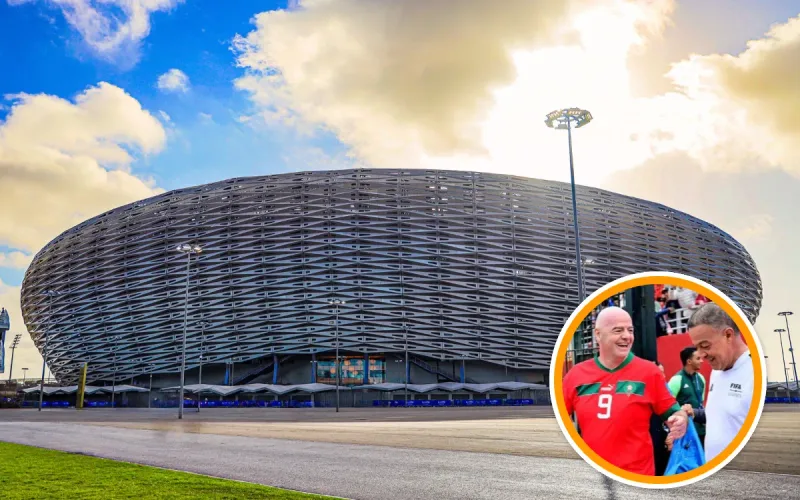
Spain’s political unpreparedness seriously threatens its place in organizing the 2030 World Cup . Faced with Iberian hesitations, Morocco is multiplying construction projects and quietly establishing itself as an essential player in the tournament.
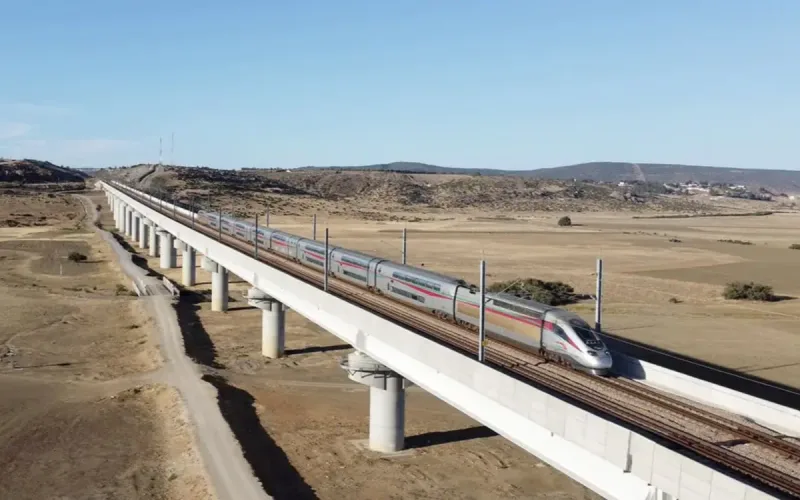
The construction of the high-speed rail line connecting Kénitra to Marrakech is accelerating. This colossal railway project will transform travel in Morocco and actively prepares the country to host the 2030 World Cup.
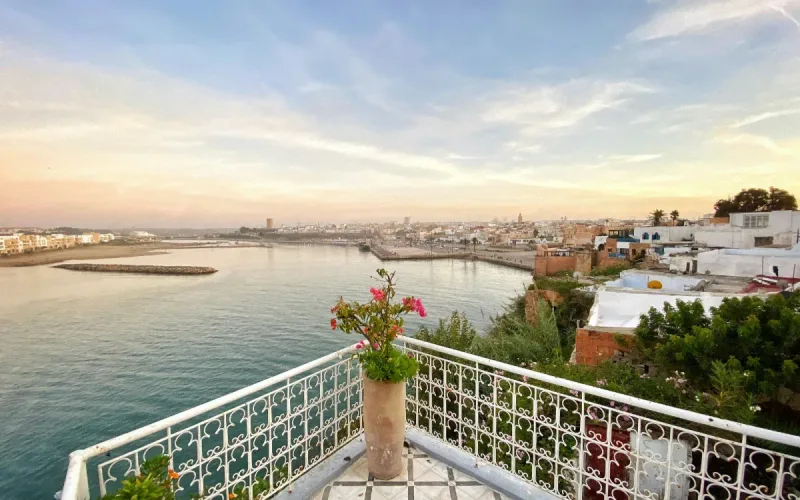
In preparation for the 2030 World Cup , Morocco’s capital is multiplying construction projects to strengthen its accommodation capacity. Dozens of hotel establishments are currently under construction or awaiting approval across the city.
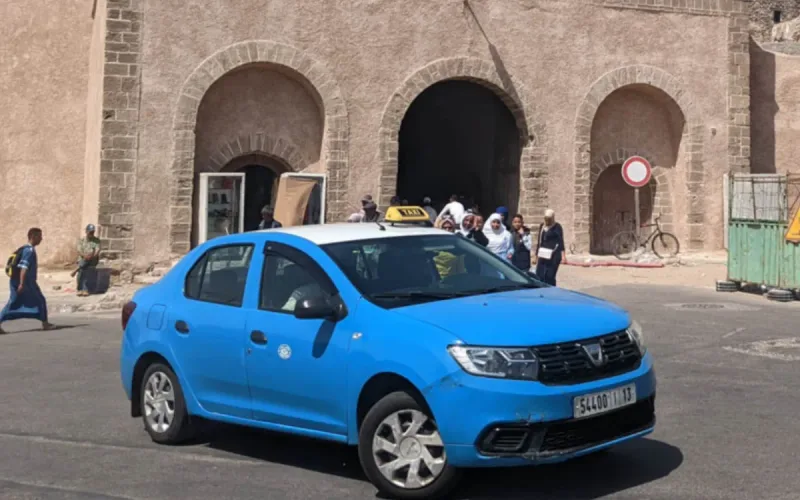
Morocco’s taxi sector is at the heart of a heated parliamentary debate. Faced with driver precarity and the approach of the 2030 World Cup , the urgent need for deep reform is essential to modernize this transport system.
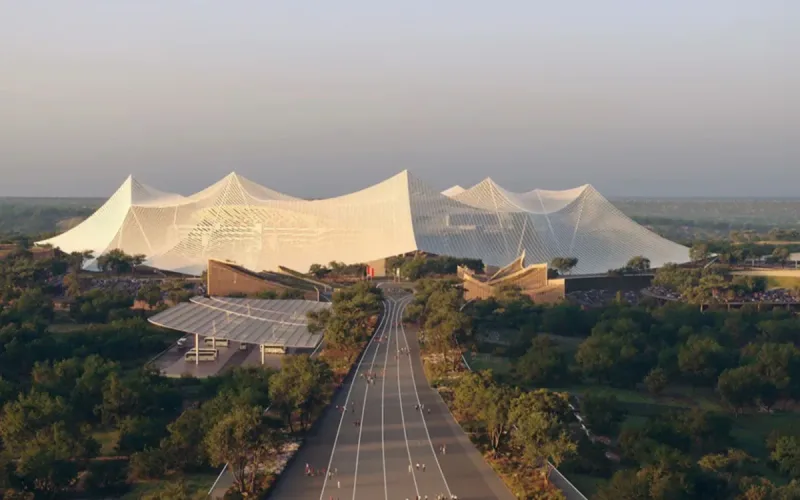
For the 2030 football World Cup, Morocco aims to make an impact with the Grand Hassan II Stadium . This monumental arena with 115,000 seats directly challenges Spain to host the highly coveted final of the competition.
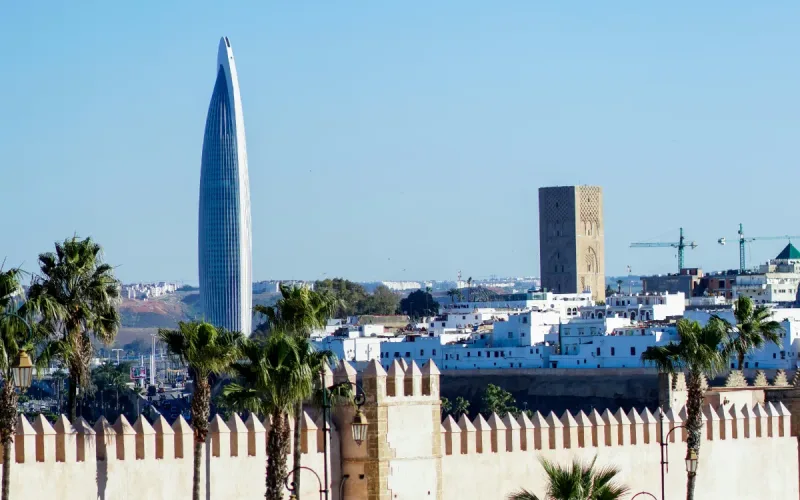
Despite undeniable modernization, the Cherifian kingdom is experiencing a deep employment crisis . The activity rate is collapsing, revealing the flaws of an economic model unable to absorb shocks and meet the country’s social ambitions.

To successfully organize the 2030 World Cup , Morocco must adapt its legislation to foreign visitors. The Minister of Justice used Cristiano Ronaldo as an example to highlight the urgency of revising certain strict hotel rules.
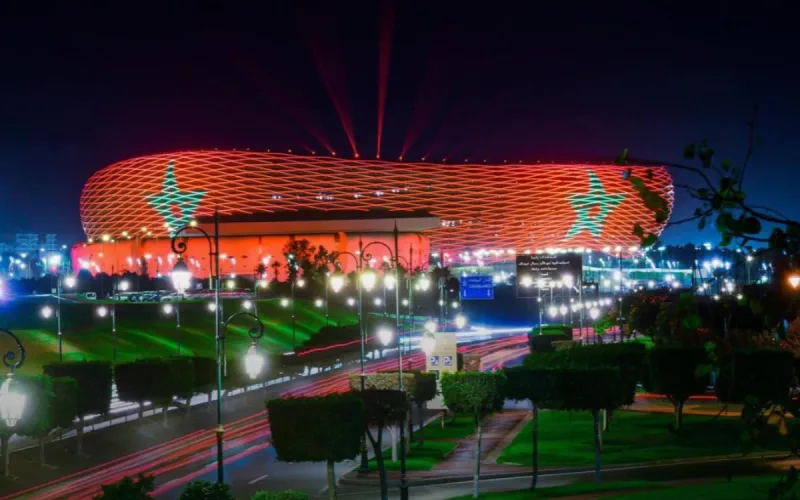
The International Monetary Fund anticipates positive spillovers for the Morocco’s massive investment plan by 2030. Growth should accelerate, provided debt is controlled and budget management of future projects is secured.
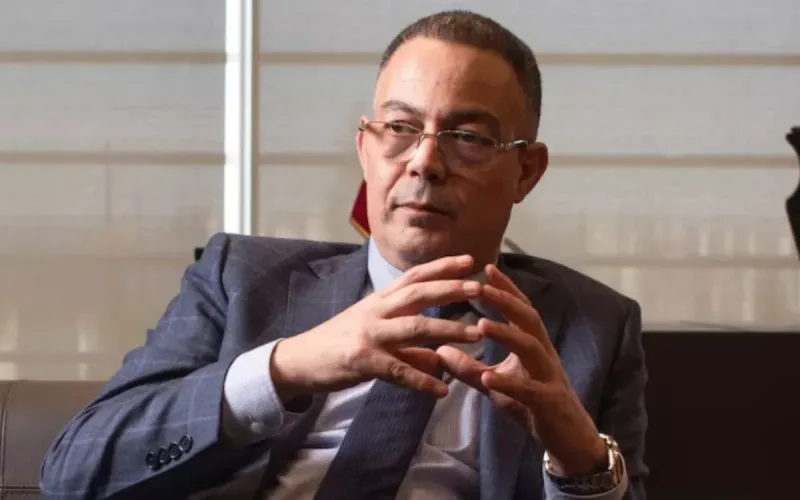
Morocco is significantly strengthening its influence within FIFA. At the Vancouver Congress, the Kingdom established itself as an essential player, directly rivaling Spain for the organization of major world football events.
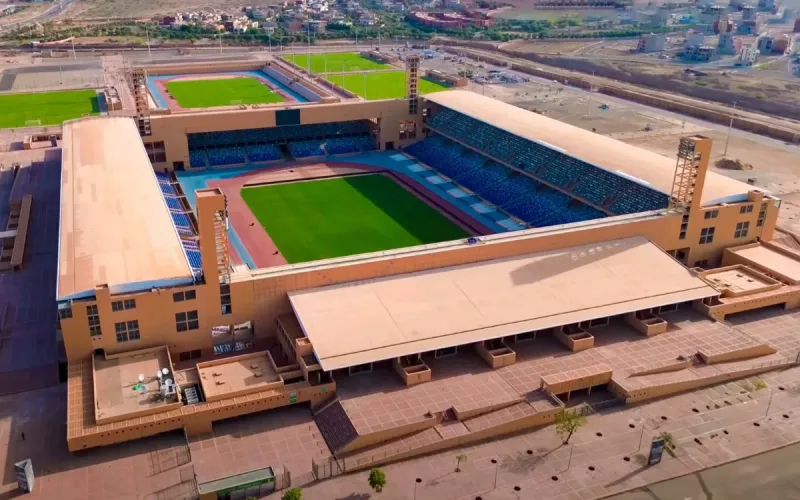
The National Agency for Public Equipment (ANEP) has officially launched a massive call for tenders for the restructuring of the Grand Stadium of Marrakech . This vast modernization project aims primarily to bring the infrastructure up to FIFA’s demanding standards.
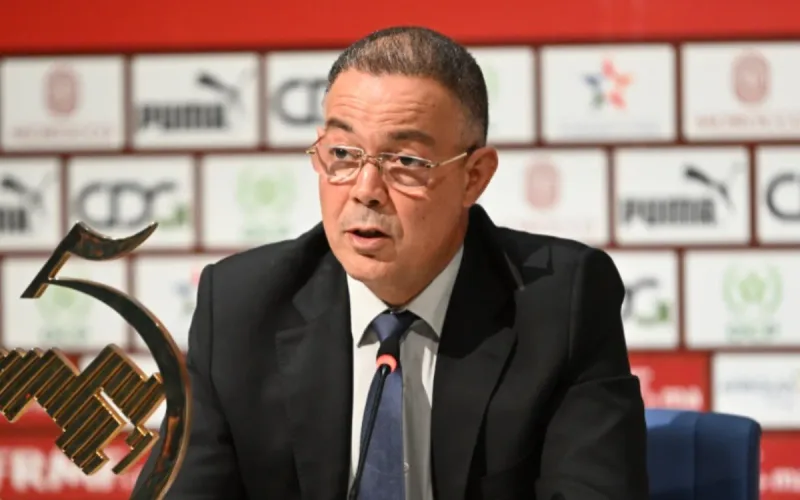
Appointed to head the 2030 World Cup organization, Fouzi Lekjaa leads Moroccan football with ruthless efficiency. His management of major infrastructure projects sparks admiration in Egypt but triggers concern from Spain, Algeria and Senegal.