At Ourika (Marrakech), up to 100 dirhams just to sit by the river
Up to 100 dirhams to sit by the river and 20 dirhams to park your car. A consumer association denounces the prices charged in Ourika and, above all, the appropriation of natural areas that are normally accessible to the public.
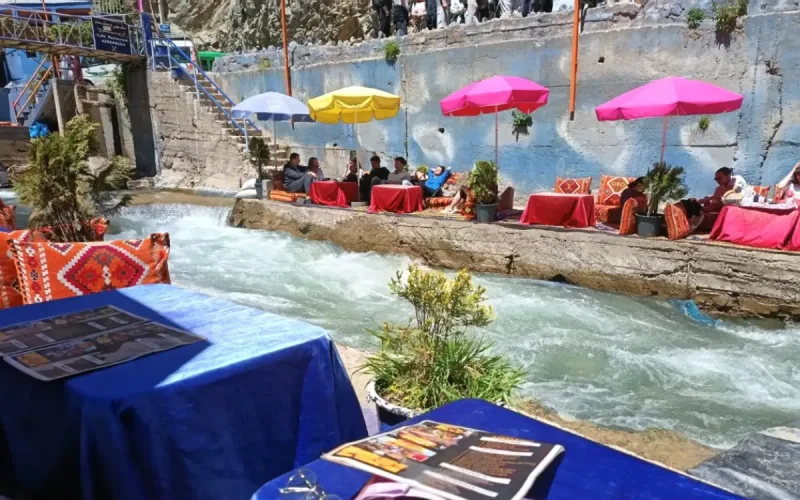
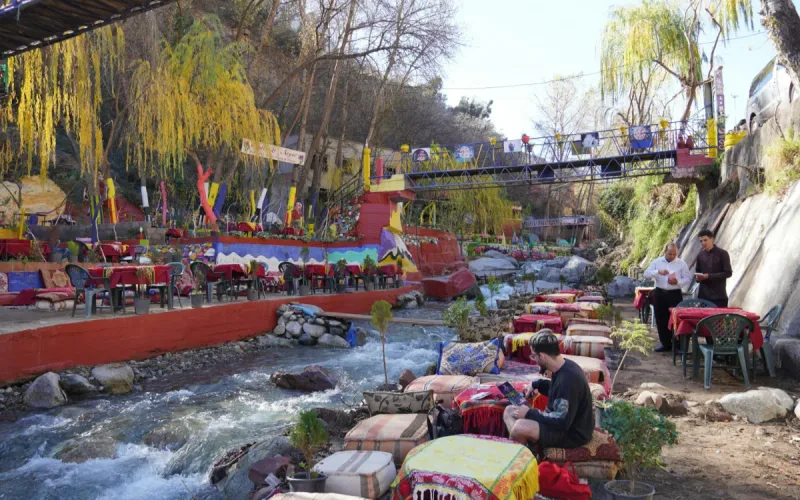
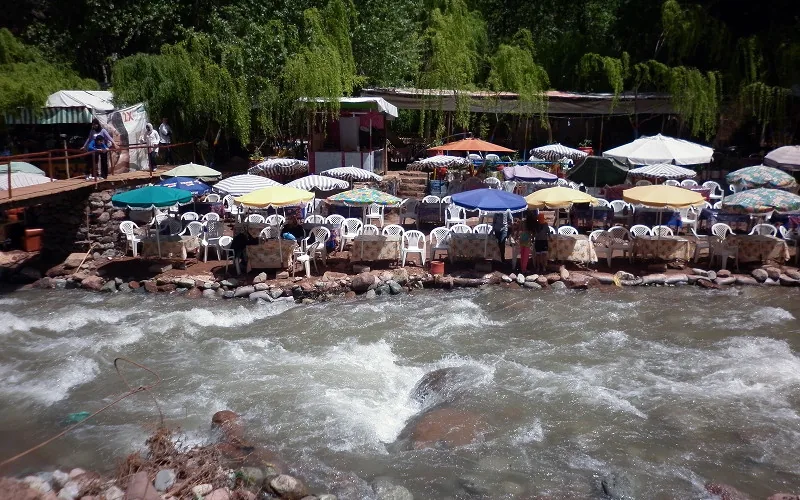
The Moroccan Association for Consumer Protection and Guidance of Marrakech-Safi says it has observed “anarchic practices” and a sharp rise in prices in this popular destination near Marrakech. It reports sums reaching 20 dirhams in some car parks, but above all amounts approaching 100 dirhams demanded from visitors to sit on the riverbanks.
On Bladi.net : Ourika River Access Now Requires Payment - Visitor Complaints
For the association, the issue goes beyond the amount charged to holidaymakers. It denounces the occupation of the riverbanks and the transformation of public natural areas into private exploitation zones, sometimes cordoned off for commercial activities. This situation would directly weigh on the budgets of families who come to spend the day in the valley.
Car parks, restaurants and leisure activities in the crosshairs
The criticism also concerns parking fees, meals in restaurants and certain leisure activities. The association denounces increases applied without a clear basis and calls for intervention by the provincial and local authorities, as well as the municipalities concerned.
It is notably calling for the activation of inspection committees, verification of the permits authorizing the operation of car parks and leisure areas, as well as sanctions against offenders. It also calls for prices to be clearly displayed, referring to the provisions of Law 31.08 on consumer protection.
On Bladi.net : Ourika Valley Scandal: Tourists Charged Extortionate Fees for Public Riverbank Access
The association is also warning about the consequences of these practices for the image of domestic tourism in the region. In Ourika, a destination sought out in particular for its landscapes and riverbanks, the controversy now revolves around a very simple question: how far can people go in charging for access to public natural areas?