Military drones: In Agadir, Americans also come to learn from Moroccans
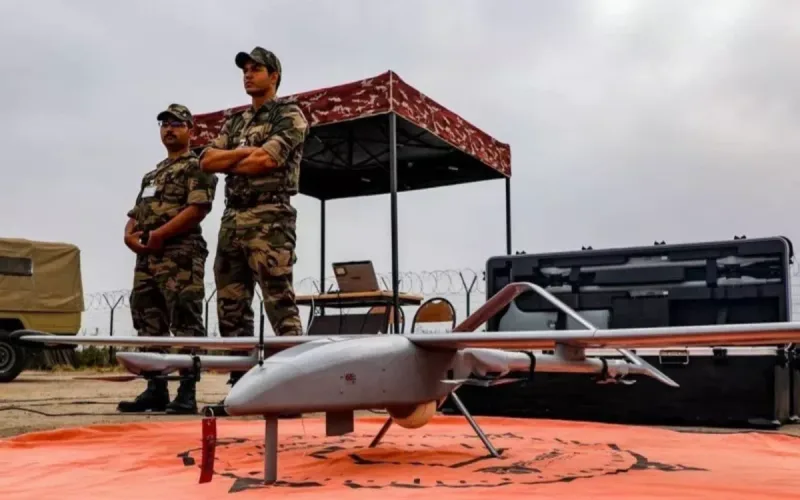
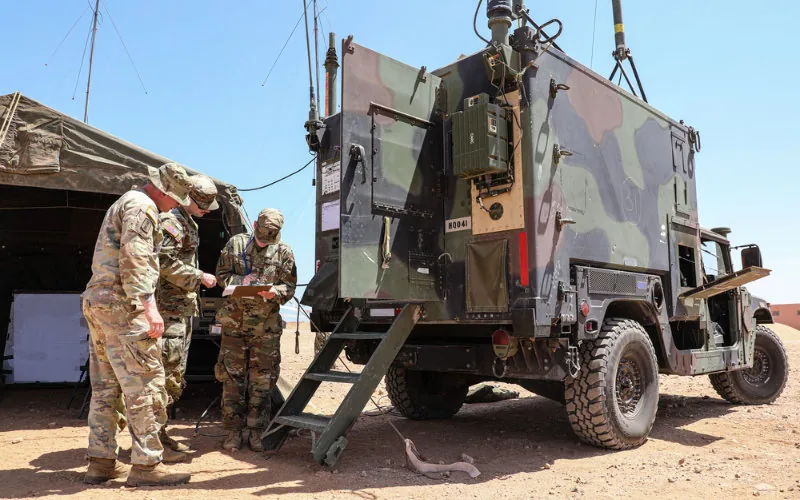
Moroccan and American military personnel have just completed a training course in Agadir devoted to small drones. The United States shared its methods, but its soldiers also studied the experience developed by the Royal Armed Forces.
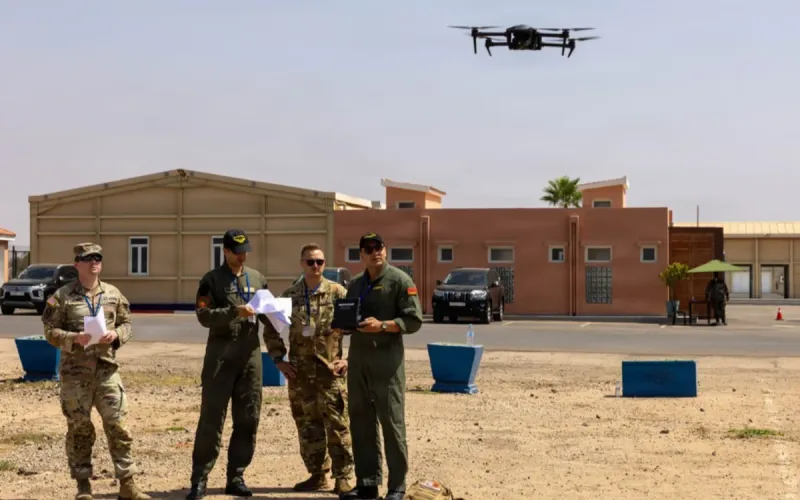
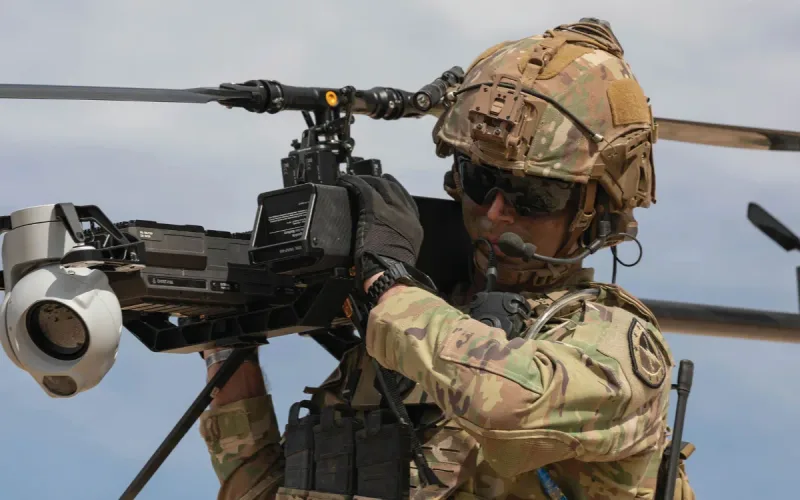
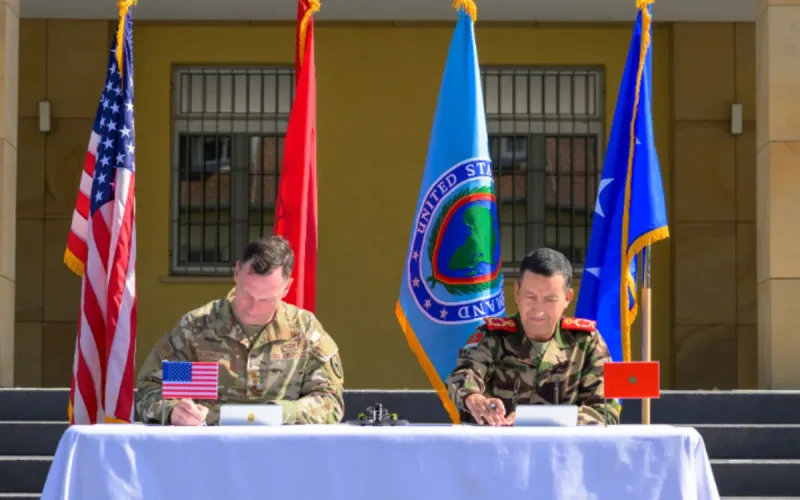
The US Africa Command, the Royal Armed Forces and the Utah National Guard organized a training course for military personnel in Agadir in September, devoted to small unmanned aircraft systems. Instructors from the Combined Arms Training Center and the 7th Army Training Command also took part in the session, according to the US Department of Defense.
On Bladi.net : Drones, Missiles, Electronic Warfare: Washington Turns Morocco into a Real-Life Laboratory
The program was not limited to piloting. Participants worked on mission preparation, meteorology, safety rules, different flight modes and the integration of drones into a military operation. They also learned how to pass these skills on to other soldiers.
The objective is specifically to first train operators, then instructors capable of spreading a common doctrine within their units. Moroccans and Americans should thus be able to use the same planning methods when taking part in joint exercises.
Moroccan experience interests Americans
The exchange did not flow in only one direction. The Utah National Guard itself is in the early stages of creating a comprehensive drone program. Its leaders took advantage of their time in Agadir to observe how the FAR organize their training and integrate these aircraft into their missions.
Kenton Hemsley, the drone program manager at Camp Williams and a member of the US 65th Artillery Brigade, says American military personnel learned a great deal from their Moroccan counterparts. He particularly highlights their ability to bring together knowledge gained through civilian drone use and the professional use of drones within the military.
The training is intended to give the FAR personnel capable of operating drones, as well as planning their tactical use and training new operators. Master Sergeant Mohammed Idamr lists piloting, mission preparation, meteorology, safety and instruction among the skills acquired.
On the American side, the program under development is intended to cover the entire chain: operator training, maintenance, programming, specialized functions and the preparation of master instructors. The US Army also wants to extend the use of drones beyond specialized units so that personnel in different military occupations can integrate them into their own missions.
On Bladi.net : After the United States, NATO chooses Morocco to train African armies
The next step will be to introduce the operators and their aircraft into larger-scale maneuvers. American officials want to test their actual integration into joint exercises, where the drones will have to operate alongside ground units, command assets and the other capabilities deployed.