Drones, Missiles, Electronic Warfare: Washington Turns Morocco into a Real-Life Laboratory
Morocco Is Moving into a New Dimension in the U.S. Military Framework. Washington has just added the Kingdom to a network of five sites where defense companies will be able to test drones, counter-drone systems, missiles and new combat technologies. It is the only site in the framework located outside the United States.
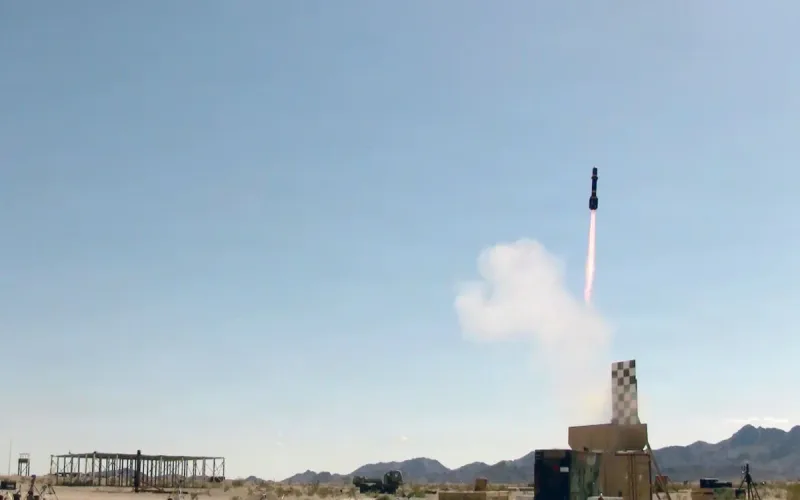
The announcement was made officially by the US Army. Four American sites were selected: Dugway in Utah, Yuma in Arizona, Camp Shelby in Mississippi and Camp Grayling in Michigan. The fifth is the multidomain training complex linked to the future AMTEC in Morocco.
On Bladi.net : Morocco US Military Center 2030 Drones Innovation Tan-Tan
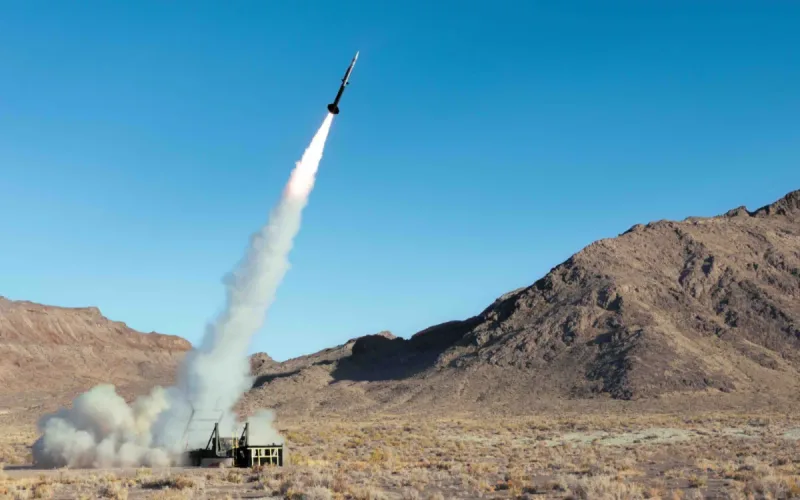
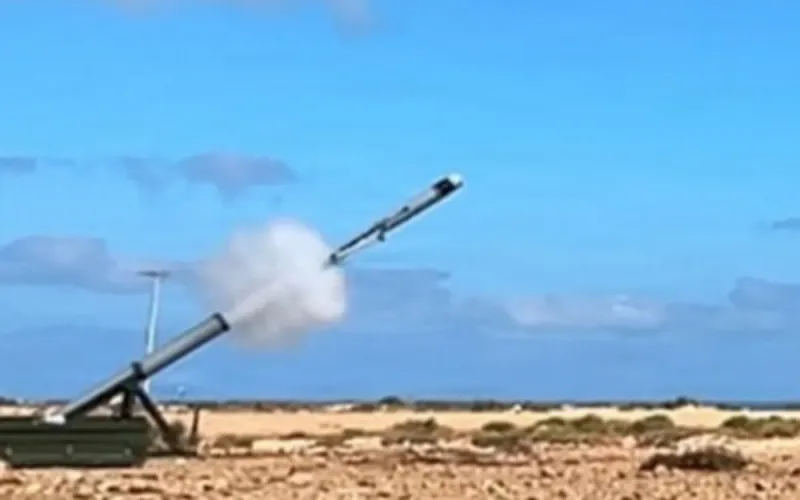
The novelty, therefore, no longer lies simply in the fact that the Americans are testing a weapon in Morocco. Bladi had already revealed the testing of the Anthem cruise missile in Tan-Tan. This time, the U.S. military is institutionalizing the process: the Moroccan site is to become one of the places where the defense industry will be able to regularly test its new equipment.
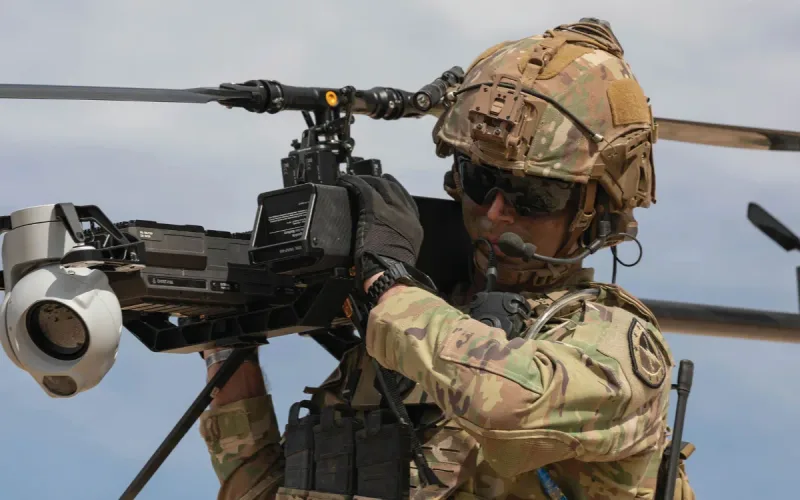
And the framework is broadly open. A company does not even need to hold a contract with the U.S. government or already have a relationship with a federal agency to request access to these sites. The military wants to attract more quickly developers capable of offering new drones, counter-drone capabilities, long-range strike systems or low-cost interceptors.
Testing under Real-War Conditions
The goal is not merely to have large spaces in which to fire a missile or fly a drone. The US Army wants to confront systems with conditions close to those encountered on modern battlefields: contested airspace, degraded signals, jamming and operation across the entire electromagnetic spectrum.
This is precisely one of the features highlighted for the Moroccan site. The complex is intended to make it possible to work in a complete electromagnetic environment and under so-called “contested” conditions. Electronic warfare thus becomes a full-fledged component of the planned experiments, on the same level as drones or long-range strikes.
Washington above all wants to radically shorten the weapons development cycle. The principle defended by the US Army is simple: test a prototype, identify its weaknesses, modify it and then quickly start again. Instead of waiting until equipment is nearly complete before confronting it with military personnel, industrialists, engineers and users, they should be able to multiply tests much earlier.
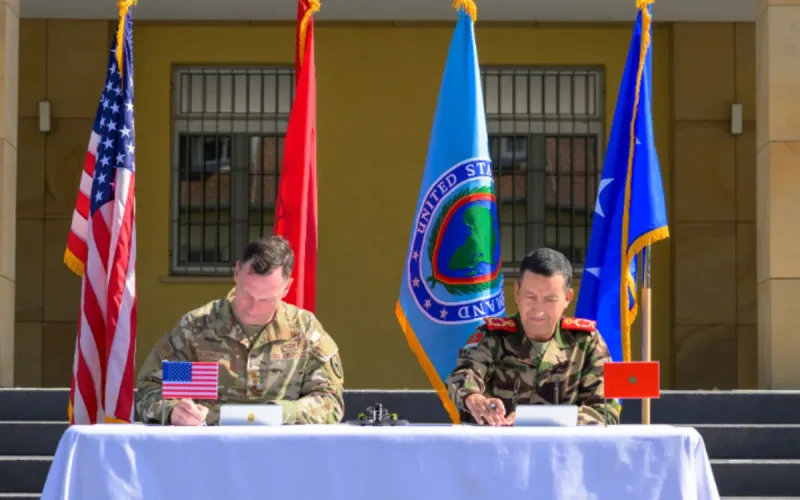
For AFRICOM commander General Dagvin Anderson, AMTEC must therefore offer the defense industry an international site where it can experiment, innovate and develop large-scale long-range strike solutions and other emerging technologies.
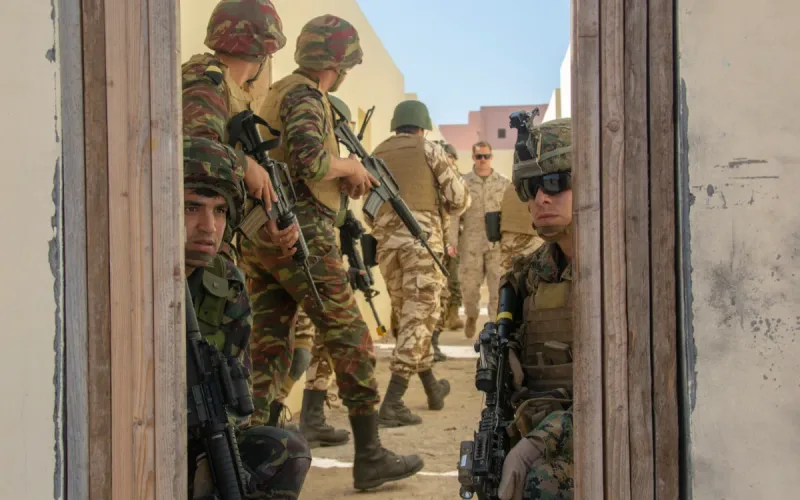
The project therefore now goes beyond traditional cooperation between the Royal Armed Forces and the U.S. military. AMTEC, which Rabat and Washington want to gradually establish in Tan-Tan, is intended to bring together a multidomain training area, a drone academy and an innovation and experimentation center.
The Anthem missile tested at the beginning of August thus takes on another meaning. It was not merely another American weapon tested in Morocco, but one of the first demonstrations of what Washington now wants to generalize: bringing in defense companies, rapidly testing their technologies under real military conditions and starting again with the next systems.
On Bladi.net : The United States Is Making Morocco Its African Hub for Drone Warfare
Drones, counter-drones, missiles and electronic warfare: Morocco will therefore no longer be merely a partner hosting U.S. exercises. It is also becoming one of the sites where some of the technologies intended for future battlefields can be put to the test before potentially being selected by the U.S. military.