Moroccans Abroad Send Billions, Morocco Fights to Keep Them from Staying in Europe
Moroccans residing abroad have never contributed so much to the Moroccan economy. Their transfers are continuing to accelerate in 2026. But this strength also creates a vulnerability: a large share of this money comes from Europe, where new banking rules are now forcing Rabat to negotiate in order to preserve these flows.

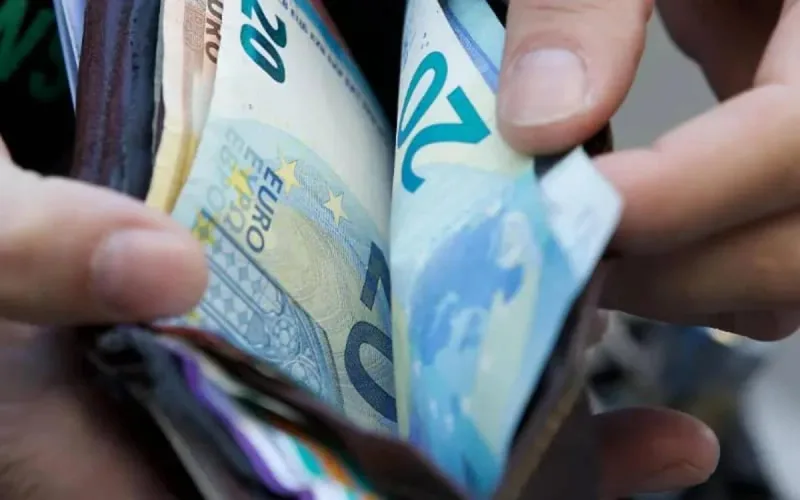
In 2025, Moroccans residing abroad sent 122 billion dirhams to Morocco, according to Bank Al-Maghrib. The amount rose by 2.6% and became one of the Kingdom’s major pillars of external balances, alongside tourism.
On Bladi.net : Moroccan Diaspora Remittances Surge Past 50 Billion Dirhams
The trend is accelerating this year. As of the end of June 2026, transfers from Moroccans residing abroad reached 61.48 billion dirhams, compared with 55.95 billion a year earlier, representing an increase of 9.9%, according to the latest figures from the Office des Changes. In just six months, Moroccans around the world therefore sent an additional 5.5 billion dirhams.
However, this growth is making Morocco even more attentive to decisions being made in Europe. A significant share of the diaspora resides there, and Moroccan banks have for years played an intermediary role in directing the savings of Moroccans residing abroad to their accounts in the Kingdom. The weight of this customer base extends well beyond transfers alone: Abdellatif Jouahri indicated that Moroccans residing abroad accounted for approximately 20% of bank deposits in Morocco.
A Strength That Has Become a Vulnerability
The problem emerged with European Directive 2024/1619, which strengthens and harmonizes the conditions imposed on banking institutions from third countries operating in the European Union. The text, available on EUR-Lex, does not specifically target Morocco or transfers from Moroccans residing abroad, but its new requirements may complicate the activities of Moroccan banks serving their customers settled in Europe.
The issue was summarized bluntly by the governor of Bank Al-Maghrib: “What we are trying to counter is the financial flows remaining in Europe.” Morocco’s objective is for the money to continue being transferred to accounts in the Kingdom, where it subsequently supports savings and investment.
Rabat therefore had to undertake an unusual process: negotiating with the European countries concerned. A solution has already been reached with France to preserve the intermediation activities of Moroccan banks. Discussions are continuing with the Netherlands and must also involve other countries hosting large Moroccan communities.
On Bladi.net : Moroccans Abroad Hold 222 Billion Dirhams in Moroccan Banks, but Almost None Remains in Foreign Currency
The paradox is thus becoming increasingly visible. The more money Moroccans residing abroad transfer, the more they strengthen Morocco’s financial balances. But the larger these amounts become, the more any change in banking conditions in their main countries of residence becomes strategic for the Kingdom. With 122 billion dirhams received in 2025 and a new increase of nearly 10% in the first half of 2026, what is decided in European banks is no longer merely a matter concerning Moroccans residing abroad: it has become a matter of national economic importance.