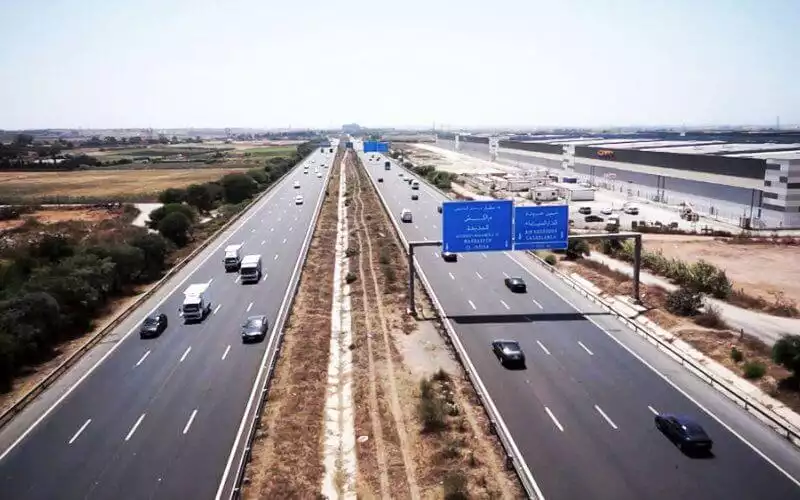
Morocco Highways Expansion 2025-2030 Major Projects
Morocco is preparing a new phase of expansion for its highway network. Following major routes already opened, several projects are now on the table, with a clear objective: to relieve congestion on the busiest corridors, better connect regions, and support major events planned through 2030.
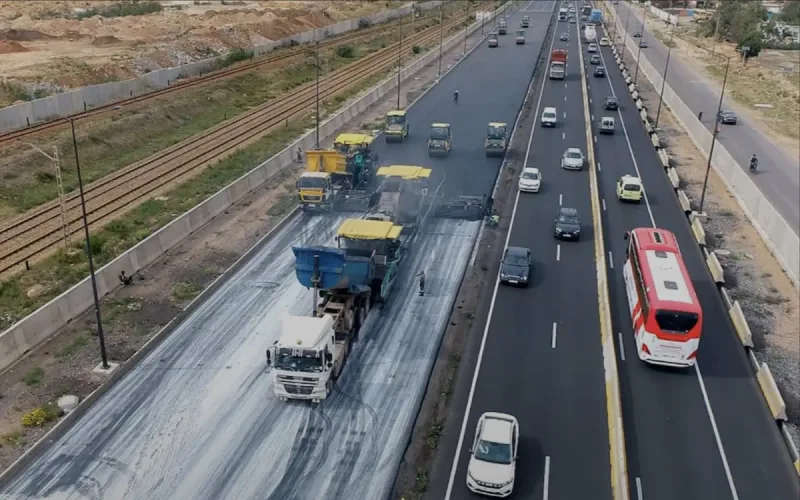
The National Highway Company of Morocco recalls having built a network of 1,800 kilometers since its creation, presented as the second largest in Africa after South Africa’s. But development does not stop there. The next construction projects concern both major economic hubs, strategic ports, and regions still insufficiently connected to the national network.
Rabat-Casablanca, the most anticipated project
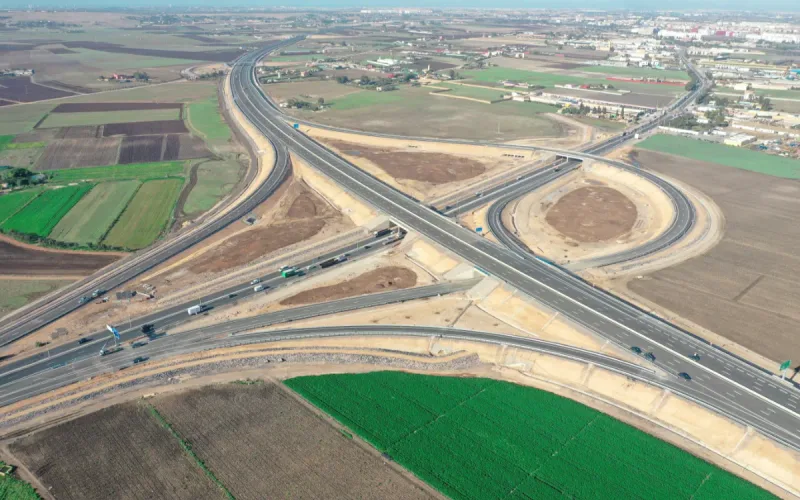
The most sensitive project remains the future Rabat-Casablanca Continental highway. This 60-kilometer axis must directly connect the Rabat highway bypass, starting from the Aïn Atiq junction, to the Casablanca bypass at Tit Mellil. Its provisional budget is estimated at 6.5 billion dirhams.
On Bladi.net : Morocco Accelerates Highway Expansion: 3,000 km Network to Boost World Cup 2030 and Economic Growth
This new link is intended to relieve the current Casablanca-Rabat highway, one of the country’s busiest routes. It is part of a broader program concluded between the State and ADM for the 2025-2032 period, with 12.5 billion dirhams in investments planned for several strategic projects, including Rabat-Casablanca Continental, Tit Mellil-Berrechid, and the transformation of highway interchanges at Sidi Maarouf and Aïn Harrouda.
This program also has a sporting and urban dimension. ADM indicates that it aims in particular to improve accessibility to the Grand Stadium of Casablanca, to streamline the Rabat-Casablanca corridor, and to strengthen connectivity in the Casablanca region, in anticipation of the major events Morocco is about to host.
The opening of the Tit Mellil-Berrechid highway on November 27, 2025, already marked a first step in this reorganization of traffic around Casablanca. Spanning 30 kilometers and built for 2.5 billion dirhams, it connects the Casablanca bypass to the Casablanca-Marrakech and Berrechid-Béni Mellal routes.
Nador, Fès, Marrakech: the other major routes
In the east, the Guercif-Nador highway is the other major project underway. This infrastructure must connect the Nador West Med port to the national highway network and strengthen service to the Oriental region. ADM had announced as early as 2021 a 104-kilometer link, with an initial estimated cost of 5.5 billion dirhams.
The project has since advanced by sections. The first section of 36.7 kilometers between the Fès-Oujda highway and the Guercif-Nador route has started, while the Driouch-Nador West Med section is reportedly already 80% complete. The Saka-Driouch section, 40.5 kilometers long, is also progressing after work began in January. The announced objective remains full commissioning by 2028.
Further in the center of the country, the Fès-Marrakech highway project could become one of the most structuring construction sites of the next decade. Preparatory studies have been launched for an approximately 420-kilometer route passing through Meknès, Khénifra, and Béni Mellal. The cost is estimated at nearly 28 billion dirhams.
The interest in this highway would be twofold: to reduce travel times between several major cities and to offer a smoother alternative to National Road 8, often heavily used. It would also make it possible to better integrate inland regions into the national economic network, by more directly connecting Fès, Meknès, Béni Mellal, and Marrakech.
On Bladi.net : Morocco Motorways: Major Projects Before the 2030 World Cup
Other projects still appear on planning or study lists: the East bypass of Safi, the Agadir-Tiznit extension, the East bypass of Marrakech, Marrakech-Safi, Marrakech-Ouarzazate, Safi-Essaouira, Khénifra-Midelt, and the Tanger/Tétouan-Fès/Meknès route. These projects do not all have the same level of progress or the same timeline, but they show a clear direction: the Moroccan highway network no longer aims solely to connect the major coastal cities, but also to better connect ports, inland regions, and new development hubs.