Morocco: New anti-cheating system for driving tests already runs aground
The sophisticated system devised by NARSA to catch cheaters during the driving test will have to wait. The contract, estimated at more than 5 million dirhams, has just been declared unsuccessful.
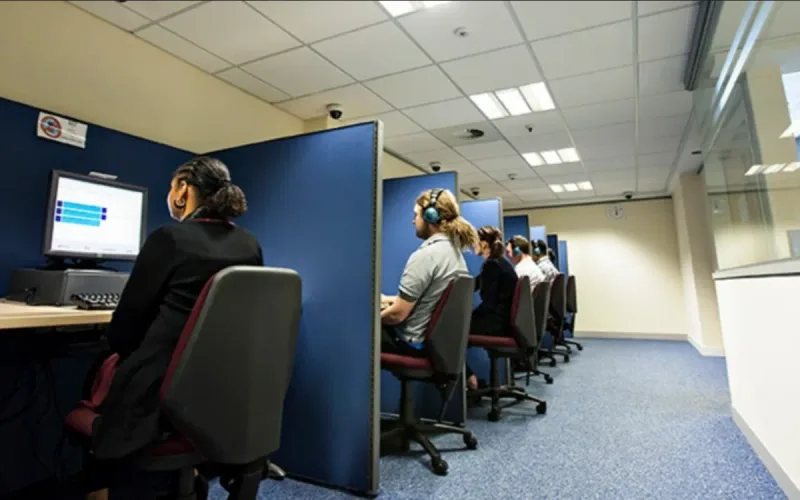
The National Road Safety Agency launched tender 16/NARSA/2026 on July 13 to lease passive radio-frequency detection equipment, with technical assistance. The operation was estimated at 5,068,800 dirhams, with a provisional deposit of 100,000 dirhams.
On Bladi.net : Morocco Driving Schools: New Requirements and Higher Bonds
The bids were due to be opened on August 6. But the procedure ended without a successful bidder: the contract was declared “unsuccessful,” according to the results on the public procurement portal, as reported by Alerte Marchés Publics. NARSA will therefore have to launch a new procedure if it wants to deploy the planned system.
Phones and micro-earpieces in the crosshairs
The specifications went far beyond simply detecting phones. The devices were to identify relay SIM cards, known as “VIP cards,” as well as micro-earpieces using Bluetooth or magnetic induction, without jamming communications or intercepting their content.
In the event of a suspicious signal, a visual and audible alert was to be triggered in less than 60 seconds. The system was also to identify the technology used, approximately locate the transmission within the room and distinguish a signal originating from a candidate from an external communication. The false-alert rate was not to exceed 2%.
NARSA also required equipment that could be carried in a bag, weighing less than four kilograms, offering at least three hours of battery life and a minimum range of ten meters. The system was to equip centers in several major cities in Morocco, notably Casablanca, Rabat, Tanger, Tétouan, Nador, Marrakech, Agadir, Fès and Oujda.
On Bladi.net : Rabat Amphibious Buses: Tourist Transport Innovation 2026
For now, this anti-cheating arsenal therefore remains on paper. Despite a budget exceeding 5 million dirhams and particularly precise specifications, no provider was selected during this first procedure.