Morocco reigns over argan, but others are the ones pocketing the money
Morocco has a near-global monopoly on argan oil, but still captures too little of its value. According to the World Bank, 93% of Moroccan exports leave in bulk before being processed and marketed abroad as finished products.
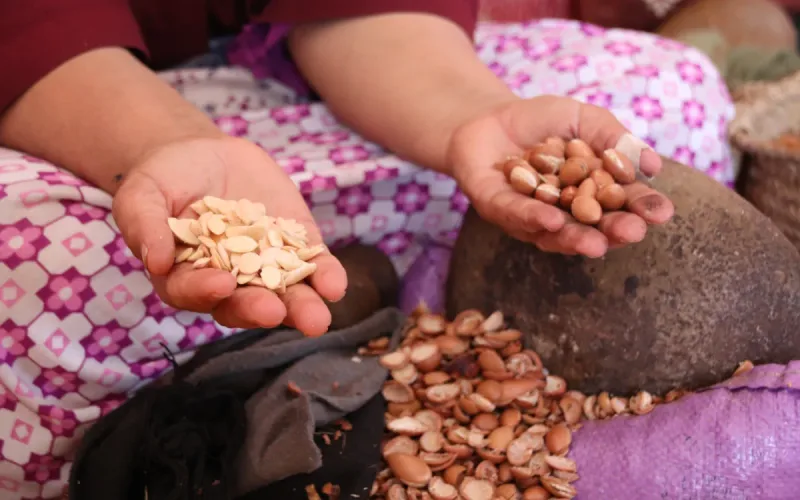
The finding appears in the World Bank’s Country Private Sector Diagnostic 2026. Morocco is presented there as the world’s almost exclusive producer of argan oil. Israel is cited as the only other producer, with approximately 20,000 argan trees.
On Bladi.net : Soaring Argan Oil Prices Make Moroccan Staple a Global Luxury
The problem arises after extraction. Some 93% of exported oil leaves the kingdom in containers of more than five liters, and is then processed and marketed abroad. Soaps, shampoos, creams and other cosmetics thus capture a significant share of the added value outside Morocco.
1,200 cooperatives remain on the sidelines
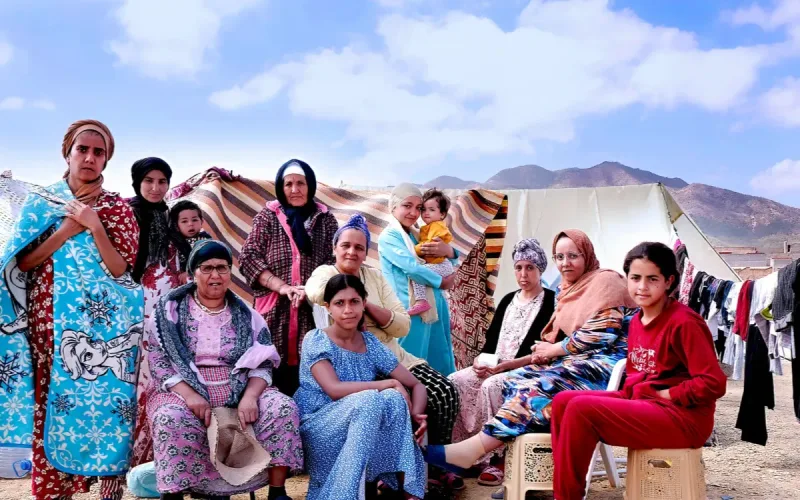
The World Bank also points to a high concentration in the sector. Five companies and major cooperative unions control the majority of formal exports, while 1,200 registered cooperatives, employing more than 8,500 women, remain “on the sidelines” of this success.
This situation is explained in particular by the difficulties many cooperatives face in financing the purchase and storage of argan fruits, compared with private companies that have more capital and better access to foreign markets.
The potential is nevertheless considerable. The World Bank estimates that developing argan processing and natural ingredients could attract approximately 600 million dollars in additional private investment by 2035 and generate around 17,000 jobs.
On Bladi.net : Morocco’s Argan Oil: Beauty Secret and Health Elixir Gains Global Popularity
For Morocco, the challenge is therefore no longer merely to produce an oil over whose global market it has almost exclusive control, but to retain more of the value created locally when it becomes a finished cosmetic product.