Morocco automotive exports decline Chinese electric cars Europe competition
Moroccan exports continued to grow in 2025, but the automotive sector stalled. The World Bank attributes this decline to weakening European demand and the growing competition from Chinese electric vehicles.
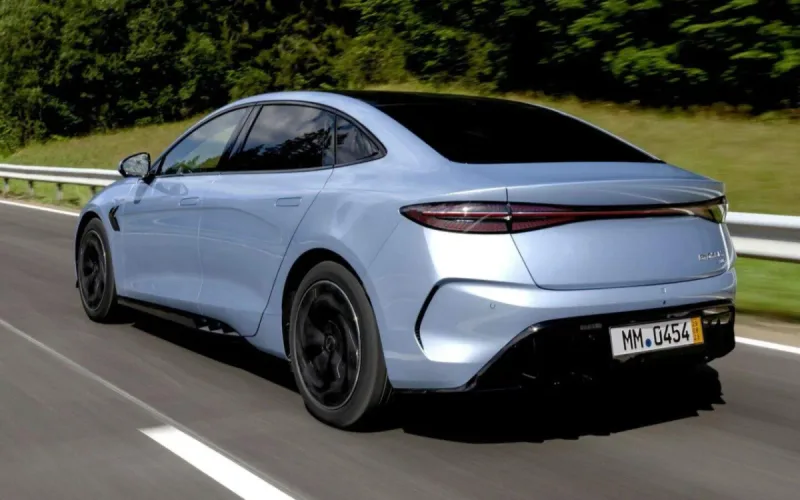
Morocco’s automotive sector is beginning to feel the pressure exerted by Chinese manufacturers on the European market. In its new Report on the monitoring of Morocco’s economic situation, the World Bank signals a decline in Moroccan automotive exports in 2025.
On Bladi.net : Morocco Electric Vehicles: Why Exports Are Falling
The institution puts forward two explanations: weakening demand in European markets and increased competition from electric vehicles manufactured in China. However, no figures specific to the automotive sector are provided in this section of the report.
This decline contrasts with the performance of other export activities. Moroccan sales of phosphates and derived products jumped 21%, while aeronautics also maintained solid momentum. Overall, Morocco’s exports of goods and services grew by 6.2% in 2025, following an increase of 8% in 2024.
China disrupts Morocco’s model
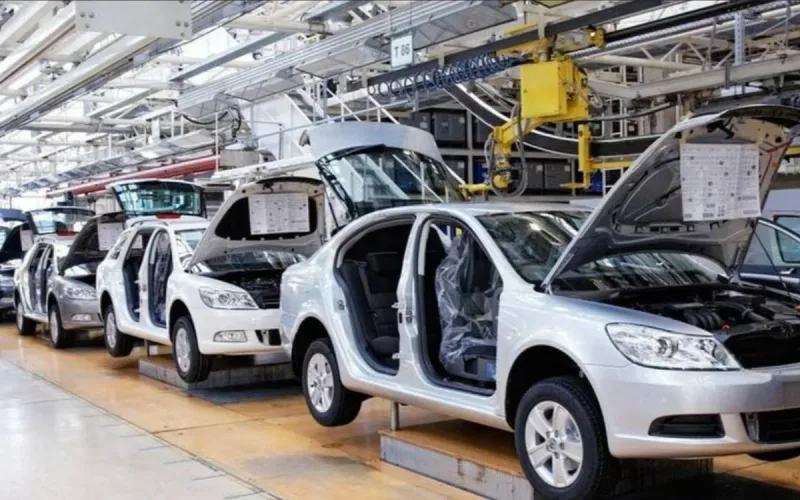
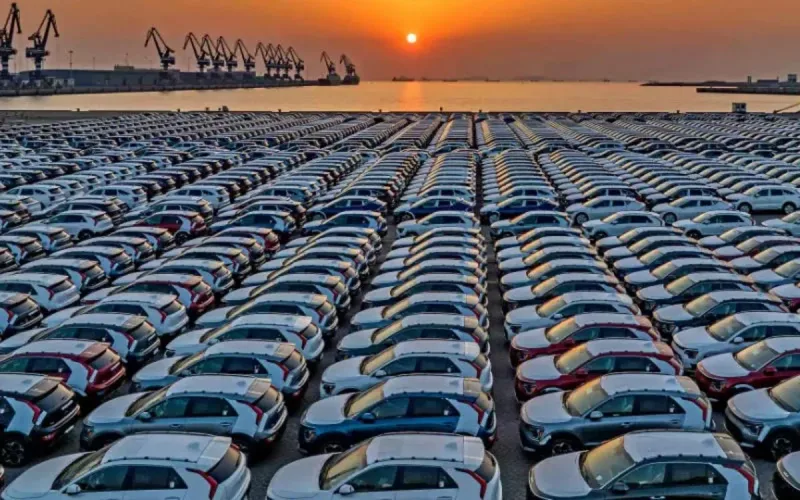
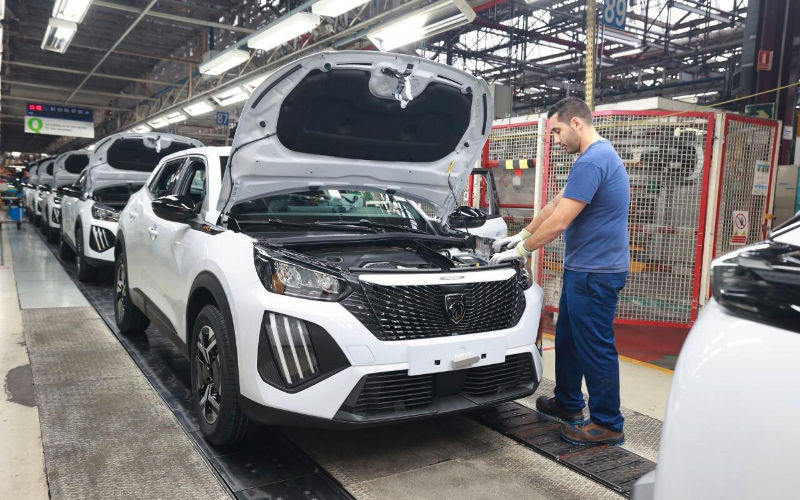
The automotive slowdown serves as a warning for an industry that has become one of the main drivers of Moroccan exports. Factories established in the kingdom produce largely for the European market, where Chinese brands are gaining ground thanks to electric cars offered at competitive prices.
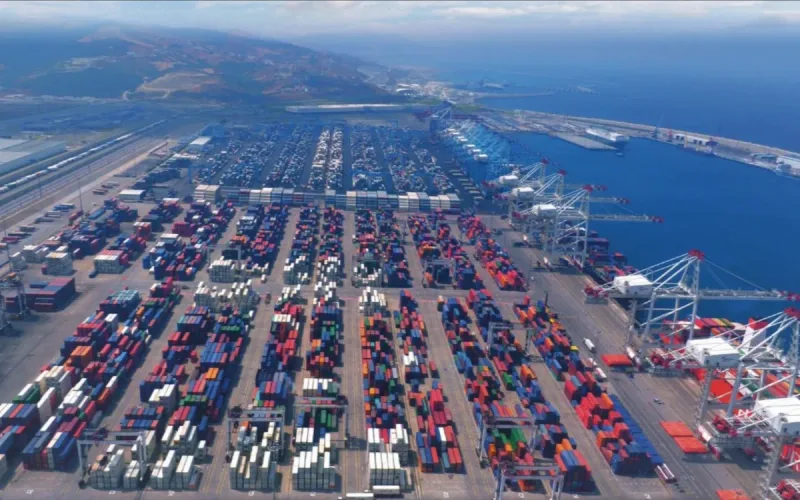
Morocco nevertheless has several assets to support the sector’s transformation: its proximity to Europe, its industrial and port infrastructure, as well as the development of investments related to batteries and components for electric vehicles.
The World Bank also notes the kingdom’s growing appeal as a nearshoring destination for international companies. Foreign direct investment increased by 29% in 2025, with manufacturing industry representing the largest share of these flows.
But competition is no longer based solely on production costs. It now concerns the ability to manufacture electric vehicles, their batteries and the technologies that accompany them. The decline observed in 2025 shows that the rapid growth of Chinese brands in Europe can directly affect orders placed with Moroccan factories.
Pressure on automotive is added to that seen in textiles and agricultural exports. At the same time, Moroccan imports increased by approximately 13%, driven by the purchase of capital goods and products necessary for major investment projects.
On Bladi.net : Automobile in the lead, phosphates in decline: the mixed results of Moroccan exports
The current account deficit thus rose from 1.2% of GDP in 2024 to 2.4% in 2025, despite record tourism revenues. For Morocco, the challenge will therefore be to preserve its place in the European automotive industry while accelerating its transition to electric vehicles, facing a China that has become impossible to ignore.