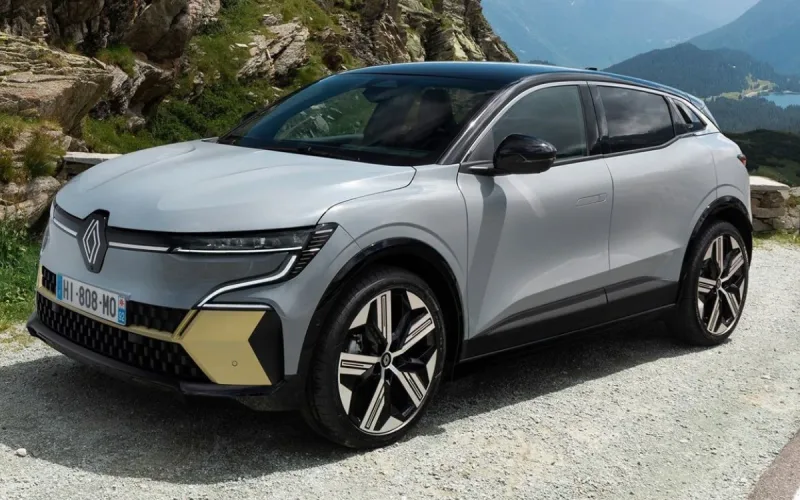
Renault delays a Dacia made in Morocco to avoid overshadowing the Clio
Renault is reportedly postponing the launch of the Sandero hybrid produced in Morocco in order to protect the debut of its new Clio. The decision highlights Renault’s reassertion of control over Dacia, which has become particularly profitable but also increasingly competitive with its parent company.
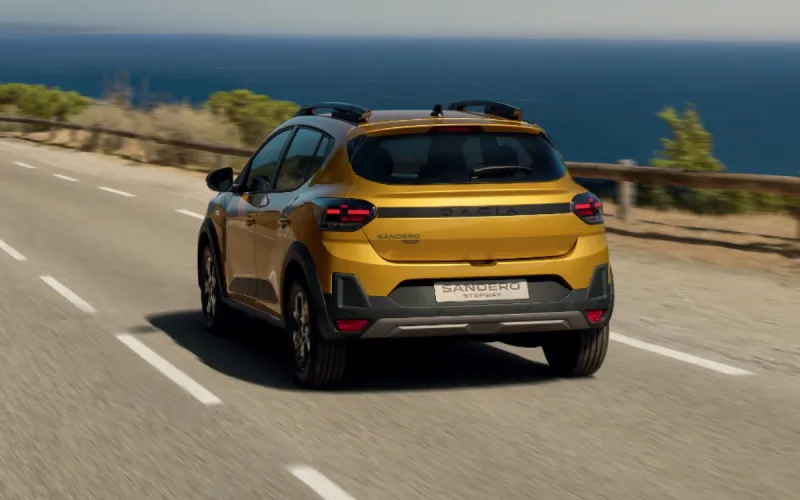
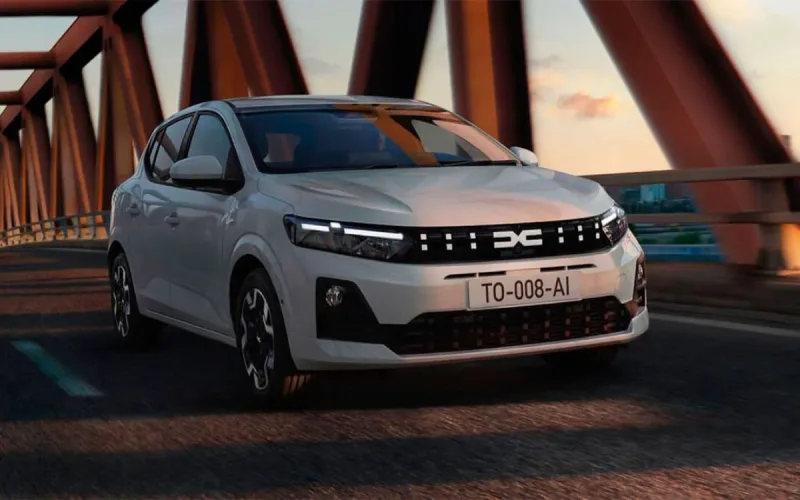
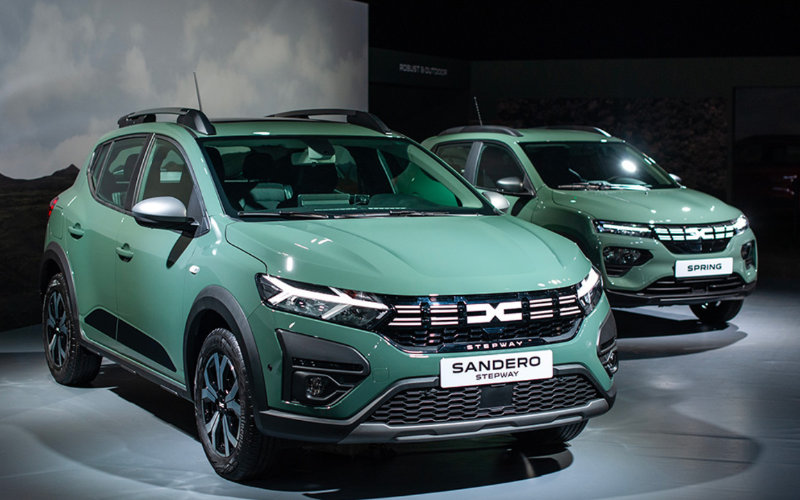
The Sandero was due to receive the new 1.8 Hybrid engine as early as January 2026, also offered on the Dacia Jogger. Its launch was ultimately postponed until the summer, even though both models are manufactured in Morocco.
Officially, Dacia explained that it could not deploy this powertrain simultaneously on two vehicles produced at the same plant. But the real reason is reportedly commercial, according to an investigation by Journal de l’Automobile published on September 15.
Fabrice Cambolive, Renault’s chief executive and head of Dacia’s product strategy, reportedly decided to postpone the hybrid Sandero so that it would not compete with the new Clio during its launch phase. The 1.8 Hybrid engine was precisely one of the Renault city car’s main selling points.
On Bladi.net : The best-selling car in Europe is made in Morocco
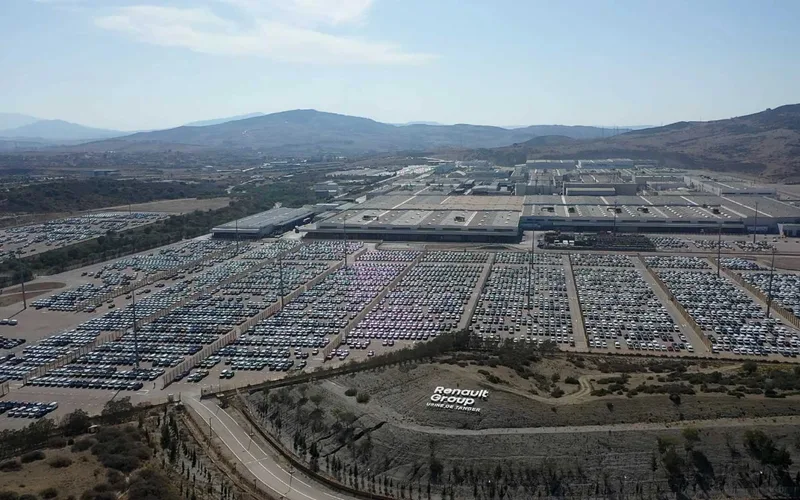
The decision affects a key model for Moroccan factories. The Sandero is mainly assembled in the kingdom and has held the top spot in car sales in Europe since 2024. The Jogger is also among the vehicles produced in Tangier, where its electrified versions are gradually entering production.
Morocco thus finds itself at the center of a balancing act between Renault Group’s two main brands. The automaker is not abandoning the hybrid Sandero and is not calling its Moroccan production into question: it has simply delayed its arrival in order to give the Clio more commercial space.
Dacia is becoming too competitive with Renault
This decision is part of a broader reassertion of Renault’s control over Dacia. Long confined to the low-cost segment, the Romanian brand has improved its models, raised its prices and launched larger vehicles such as the Duster and the Bigster. It has thus become one of the group’s most profitable businesses.
Its success has nevertheless created internal competition. The Sandero can divert buyers from the Clio, while some Dacia projects risk encroaching on segments occupied by Renault models.
The new organization put in place by the group must now establish a clearer separation between the two brands. Dacia will refocus on the entry-level segment, with fewer features and reduced costs, while Renault will retain a more premium positioning.
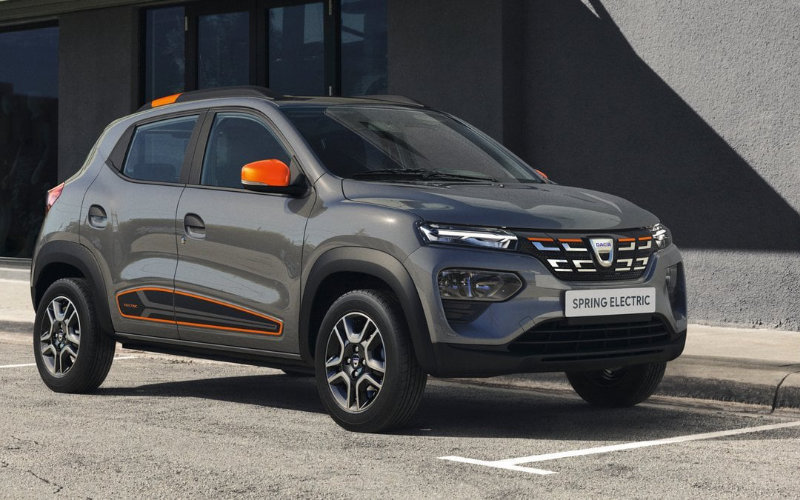
The group had already abandoned a project for a new Dacia SUV intended to replace the Sandero Stepway. This decision reportedly saved around 200 million euros, while also protecting the future Renault Captur. The unveiling of the new Dacia Spring was also delayed so as not to disrupt the launch of the electric Twingo.
This strategy confirms the importance of the Moroccan factories in Dacia’s particularly profitable business model. Tangier and Somaca in Casablanca assemble a significant share of the group’s vehicles thanks to production costs that are far lower than those at European sites.
On Bladi.net : €91 in Morocco, up to €1,778 in France: the labor cost of a car
The postponement of the hybrid Sandero nevertheless reveals the other side of this success: vehicles produced in Morocco no longer compete only with rival brands. Their value for money has become sufficiently threatening to force Renault to organize their schedules in order to protect its own models.