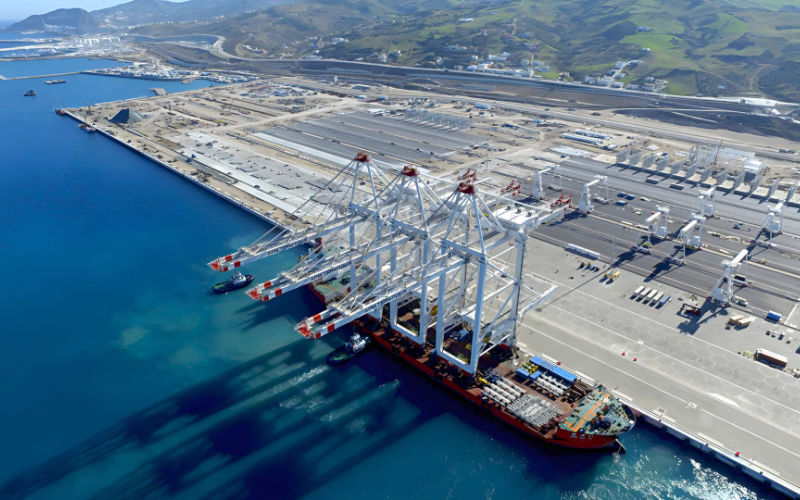
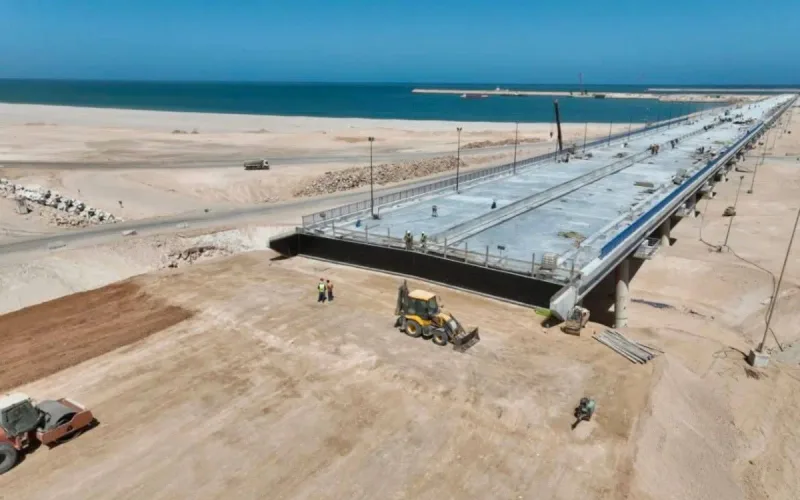
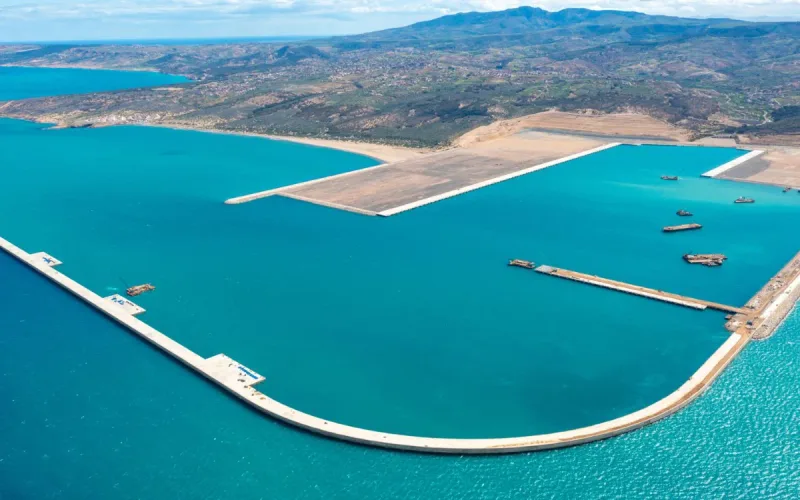
The ports of Dakhla and Nador have not yet been launched, but Europe is already thinking about putting obstacles in their way
Dakhla and Nador West Med are already appearing on Brussels’ radar. The European Commission cites the two future Moroccan hubs among the ports that shipping companies could use to reduce their exposure to the European carbon market.
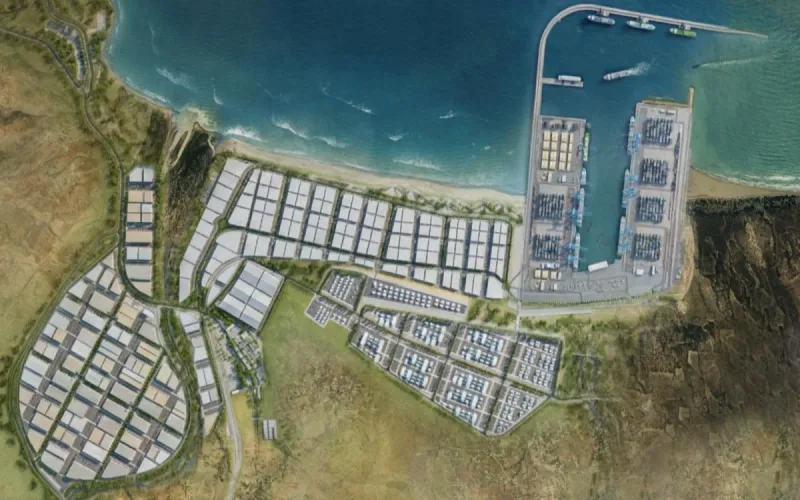
The mention appears in an impact assessment published on July 17 by the European Commission on the evolution of the European Union Emissions Trading System (ETS). Brussels examines in particular the risk that transshipment activities will leave European ports in favor of neighboring hubs outside the EU in order to reduce shipowners’ carbon costs.
On Bladi.net : Morocco’s Nador West Med Port Threatens Spain’s Maritime Dominance in Mediterranean
The Commission explicitly cites the port of Cherchell in Algeria, as well as “the port of Dakhla or Nador West Med in Morocco,” as future hubs presenting a “risk of circumvention.” This is not an accusation of fraud against these ports: Brussels is anticipating the routes that shipping companies could favor once they become fully operational.
Tanger Med is already subject to the system
The European Union already has a mechanism to neutralize this type of strategy. When a neighboring port is classified as a major transshipment hub, a call at that port does not allow a vessel to artificially begin or end its ETS-covered voyage there. Tanger Med is already subject to this rule, as is East Port Said in Egypt.
To currently fall into this category, a non-EU port must in particular handle more than 65% of its container traffic in transshipment and be located less than 300 nautical miles from a European port. Brussels is considering lowering the transshipment threshold to 50% and reviewing the list more frequently so that it can respond to the emergence of new hubs.
It is in this context that Nador West Med and Dakhla are specifically identified. The Commission believes that a strengthened system would reduce shipowners’ incentive to move their operations to non-European ports and protect the competitiveness of EU ports.
On Bladi.net : article 122391
Dakhla and Nador West Med are therefore not currently included on the European anti-circumvention list. But even before they become fully operational, Brussels is already considering how to integrate them into its monitoring of maritime traffic and its carbon bill.