They Thought They Could No Longer Be Sent Back: Morocco Explains the Rush to Sebta
Morocco says that misleading information convinced some would-be migrants that reaching Sebta by swimming would protect them from immediate return. Smuggling networks allegedly exploited this confusion.
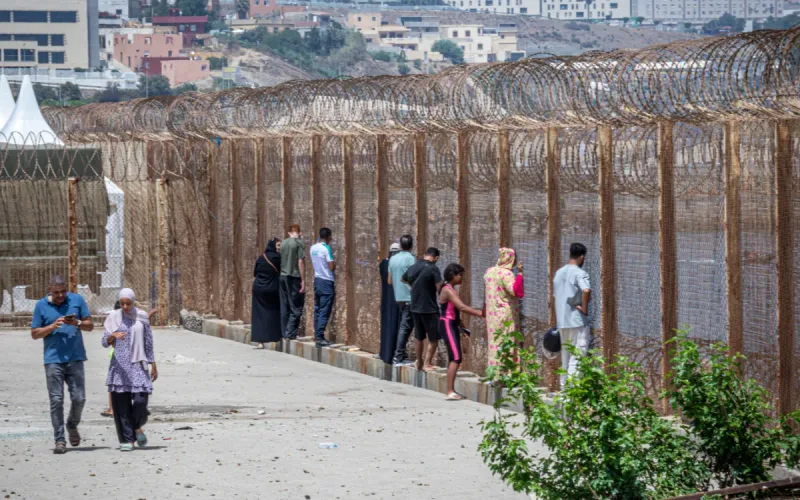
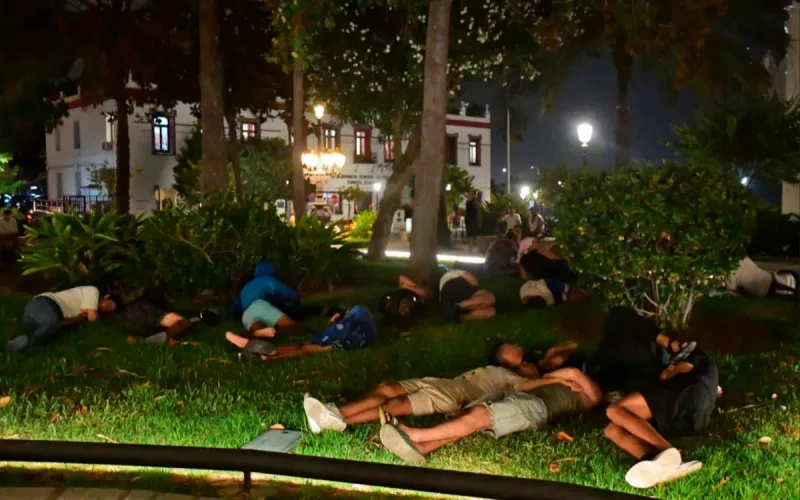
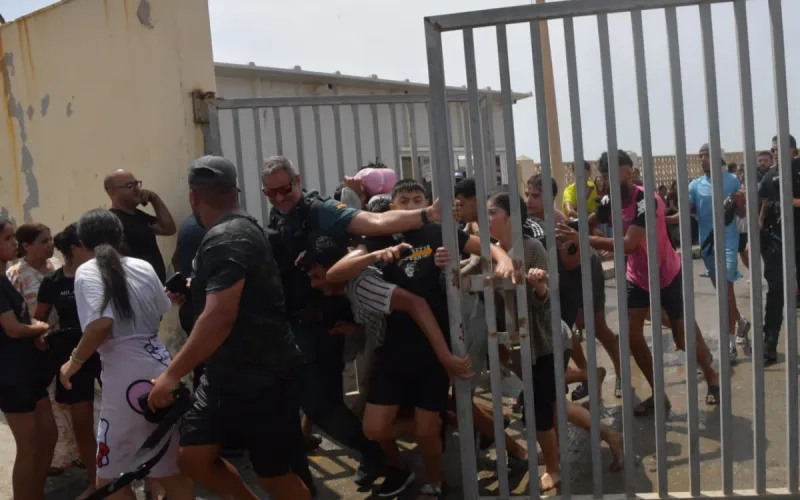
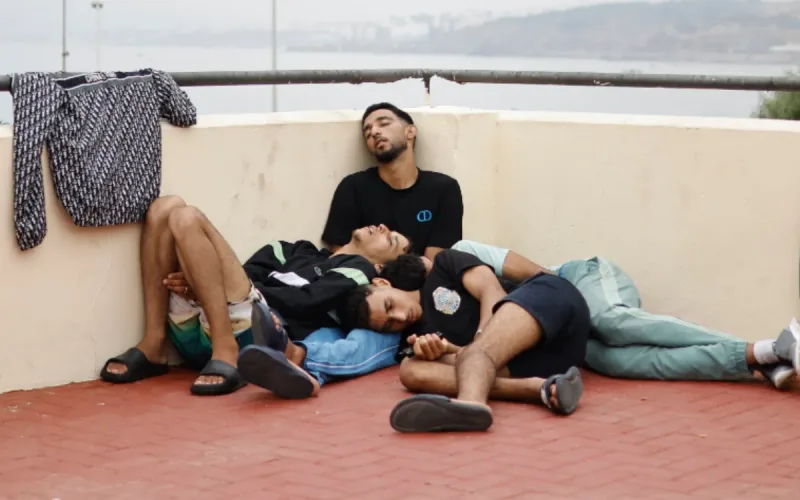
In its first public explanation of the mass crossing toward Sebta, Morocco’s Interior Ministry dismisses the idea of a spontaneous movement. It implicates the joint action of human-trafficking networks, disinformation spread online, and a misinterpretation of a recent decision by the Spanish courts.
On Bladi.net : Spain World Cup Victory Sparks Ceuta Migration Surge
This Supreme Court decision concerned the “hot returns” of people intercepted at sea while attempting to reach Sebta or Melilla by swimming. The judges found that immediate rejection at the border could not be applied in this specific case, in the absence of a maritime containment system crossed by the migrants. The ordinary return procedure nevertheless remained possible: the decision granted no automatic right to remain in Spain.
According to Rabat, this legal nuance was distorted on social media. Some would-be migrants then became convinced that once they reached Sebta, the Spanish authorities could no longer immediately return them to Morocco.
The trafficking networks allegedly took advantage of this interpretation to promote the idea that it was now possible to cross the border without risking a swift return. The ministry refers to a “malicious exploitation of the digital space” and misleading information disseminated among people wishing to emigrate.
A Court Ruling Turned into a Promise of Passage
In its statement, Morocco’s Interior Ministry says it strengthened surveillance at an early stage and mobilized the security services as well as the territorial authorities.
Rabat says that this operation made it possible to bring the situation under control, protect lives and restore order around the border. The interventions were allegedly carried out in accordance with the law and the principle of proportionality.
Moroccan authorities confirm eleven deaths on Moroccan territory: ten people drowned and another died from injuries after falling in a rocky area near Sebta. Morocco continues its discussions with Spain to verify the total number of victims and establish their identities and nationalities.
On Bladi.net : article 122838
The ministry finally states that migration crises cannot be managed by a single country. It calls for shared responsibility, genuine solidarity and a fair distribution of efforts, while reaffirming that Morocco will continue its cooperation with its partners against irregular immigration and trafficking networks.