They Thought They Would Receive 733 Euros in Spain, but Ended Up Without Food in Ceuta
Crossing into Ceuta does not entitle anyone to a monthly income, unemployment benefit, or housing. Emergency assistance may be granted to vulnerable people, but it depends on specific criteria and available places.
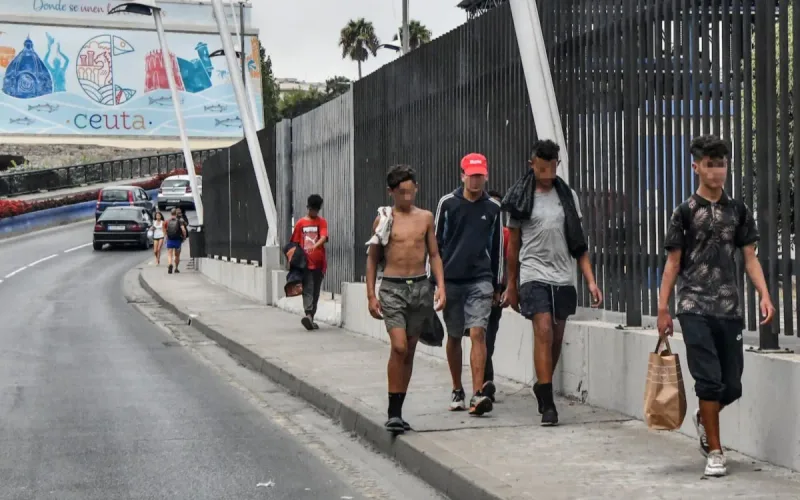
Brahim had left his job at a bakery in Fès with the hope of building a better life in Spain. After crossing the Ceuta border, however, he spent three days drinking only water.
On Bladi.net : Ceuta Border: Moroccan Youths Lured by Spain Visa Hopes Face Hunger
“We came to move forward, not to be deceived,” he told Reuters. On site, the young Moroccan said he could not afford the prices charged for food. A tuna sandwich was reportedly sold for 100 dirhams.
Like him, many new arrivals thought they would immediately find food, a bed, and assistance from the Spanish authorities. They discovered an overcrowded reception center and thousands of people left to fend for themselves in the streets.
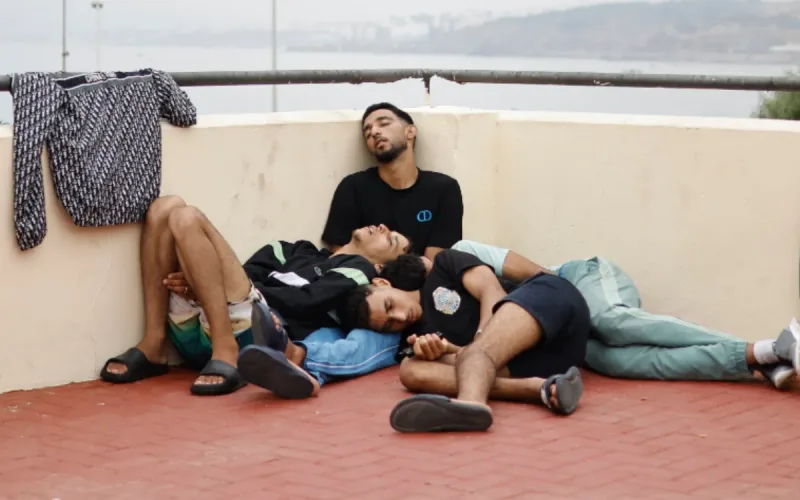
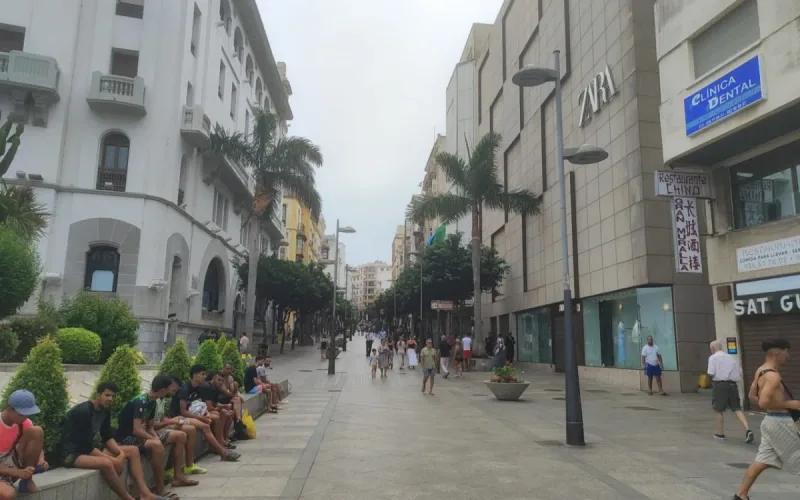
A humanitarian worker interviewed by Reuters confirmed that Ceuta’s Temporary Stay Center for Immigrants was full and could no longer accommodate anyone. Young people waited nearby to obtain water, while others slept on the beaches, lawns, or the heights of the city.
A Moroccan couple who arrived with their three-year-old daughter, who had asthma, decided to leave after just one day. “We are leaving because there is no food. We have money, but no one wants to sell us milk for the little one,” the mother said in an El País report.
Another young woman spent the night on the street, near a supermarket, without eating anything all day. She hoped to join her husband in Madrid. Her entry into Ceuta nevertheless brought her neither accommodation nor a ticket to the mainland, nor financial assistance.
No 733 Euros Upon Arrival
Spain does have a humanitarian assistance program for migrants who arrive irregularly by sea, in Ceuta, or in Melilla. But this scheme is not a social benefit distributed to everyone who crosses the border.
The Spanish Ministry of Inclusion explains that this program is reserved for people without resources who are in a vulnerable situation, particularly because of their physical or psychological condition and the absence of family or social support.
After an assessment, the assistance may include accommodation, meals, clothing, hygiene products, basic medical care, or legal guidance. Pregnant women, sick people, people with disabilities, victims of violence, or families with children may be considered priorities.
This assistance addresses an emergency. It does not provide an apartment, a salary, or money enabling someone to freely begin a new life in Spain. And when tens of thousands of people arrive simultaneously, the centers and associations do not have a place for each of them.
This assistance should also not be confused with Spain’s minimum income. In 2026, the Ingreso Mínimo Vital can reach 733.60 euros per month for a single person who meets all the conditions. But a young person who has just entered Ceuta clandestinely cannot claim it.
The official rules for the Ingreso Mínimo Vital notably require having legally and effectively resided in Spain for at least the year preceding the application. The applicant must generally be at least 23 years old and provide a verifiable administrative, family, and financial situation.
Irregular presence therefore does not meet the legal residence requirement. Sleeping a few nights in Ceuta, being registered by the police, or receiving a meal from an association does not make someone eligible for this benefit.
Unemployment benefit is likewise not offered to new arrivals. It is based on periods of declared work and contributions paid to the Spanish Social Security system. A young person who arrives without a residence permit, without work authorization, and without any contributions has no immediate right to unemployment benefits.
The reception provided to asylum seekers also follows a different logic. Spain’s international protection system covers the essential needs of people who have requested or obtained protection and who lack resources. Simply declaring oneself to be looking for a better job is not enough to automatically qualify for asylum.
Humanitarian assistance can therefore prevent a vulnerable person from being left without food or medical care. It does not transform irregular entry into a right to housing, a monthly income, or guaranteed settlement in Spain.
On Bladi.net : Undocumented in Spain: 13-Hour Days and the Moroccan Workers’ Trap
For Brahim, the social assistance imagined before his departure never arrived. After three days of drinking only water and with no possibility of reaching the mainland, he set off back toward Morocco.