When Morocco Fails, Spain Attacks; When It Succeeds, Spain Worries
In Morocco, a setback becomes a doubt about 2030. A success becomes a threat to Spain. For several months, the same pattern has kept resurfacing in part of the Spanish debate, almost always with the same destination: the World Cup final.
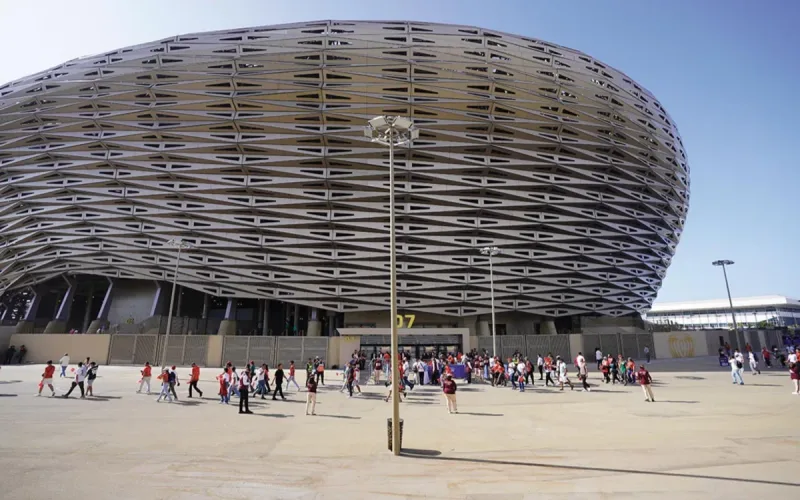
The CAN provided the most spectacular example. After the turbulent final between Morocco and Senegal, El Español did not limit its analysis to the incidents during the match. The newspaper headlined its article about a Moroccan “self-boycott” that “damages its image for 2030,” arguing that the competition, initially conceived as a demonstration of Moroccan expertise, had turned into bad publicity four years before the World Cup.
On Bladi.net : Morocco Casablanca 2030 World Cup Final Bid Challenges Spain
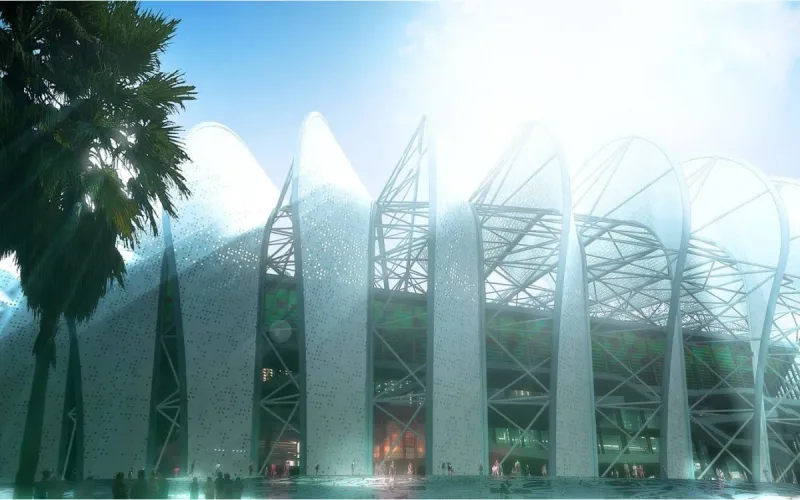
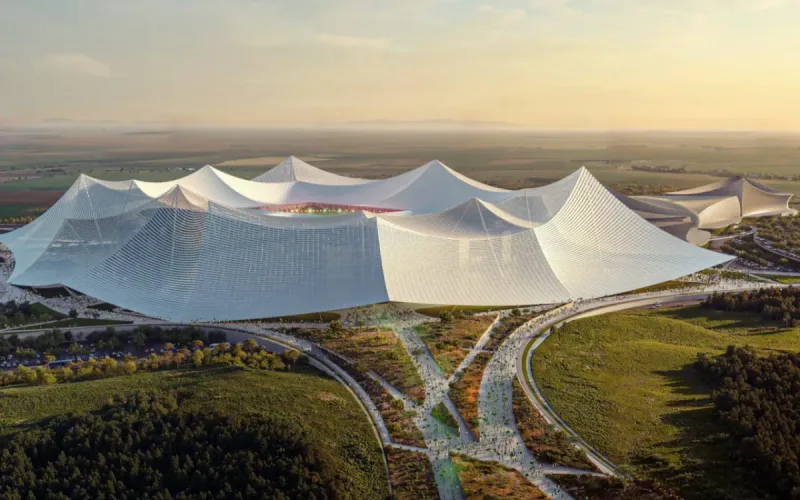
A few weeks later, AS followed a comparable line of reasoning in an article entitled “Tensión Mundial con Marruecos.” The problems encountered during the CAN, criticism concerning the treatment of certain national teams and protests against the budgets allocated to stadiums were directly linked to Morocco’s ambition to host the final at the future Hassan II stadium in Casablanca.
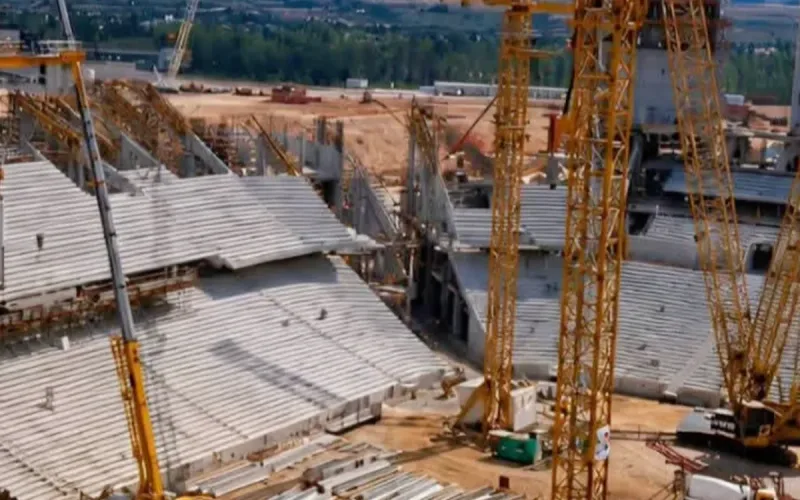
But when Morocco builds and invests, the reasoning does not disappear: it changes direction. On 5 August, El Debate devoted an article to Morocco’s ports, trains, motorways, factories and other major projects under a headline claiming that Mohammed VI was seeking to “hide the country’s poverty” with “pharaonic” infrastructure. The newspaper concluded by focusing specifically on the six stadiums linked to the World Cup, estimated at around three billion euros, and on Casablanca’s ambition to secure the final “at the expense of” the Santiago Bernabéu.
When Success Also Becomes a Problem
The Sebta crisis further broadened the phenomenon. On 6 August, Vox asked the Spanish Congress to demand Morocco’s exclusion from hosting the World Cup after the events that occurred at the border. The party cited Morocco’s “structural shortcomings” and its ability to guarantee the security of a global event. But its proposal went further: it simultaneously called for Spain to oppose any decision allowing Morocco to host the final, AS reports.
The equation becomes even more surprising when the news is favorable to Morocco. In March, El Debate this time headlined its article about “Morocco’s power at FIFA,” which was putting a Spanish final and semi-final “in danger.” Yet the same article acknowledged the modernity of Morocco’s new stadiums and the good impression they had made on FIFA. The problem was therefore no longer an insufficiently prepared Morocco, but a Morocco competitive enough to take prestigious matches away from Spain.
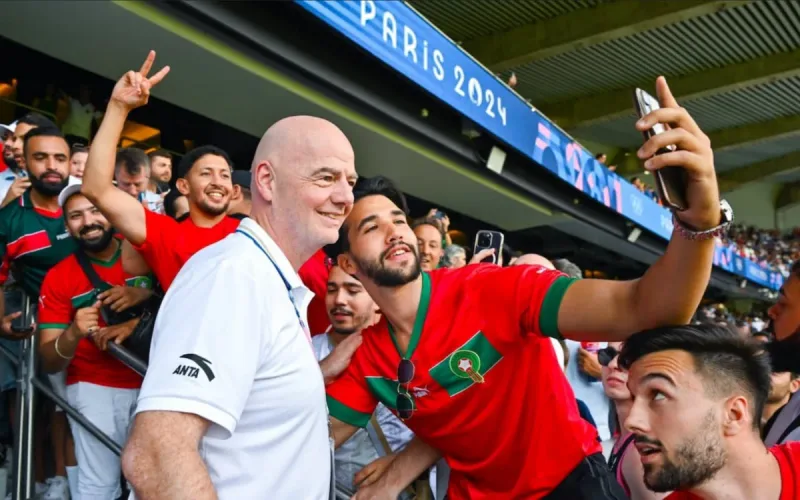
This mistrust resurfaced in early August in AS. João Gabriel, a former consultant for the Iberian bid, accused Morocco of having always prioritized its own interests and claimed that FIFA’s interventions had systematically favored Moroccan positions. The CAN and relations between Rabat and Gianni Infantino were also invoked in his argument.
However, a few hours later, the Spanish daily published a response from Moroccan journalist Amine Birouk. He points out that Spain, Portugal and Morocco are all defending their interests, considers the accusations of favoritism unfounded in the absence of evidence, and argues in particular that mixing the CAN or the events in Sebta with the World Cup bid amounts to conflating different matters.
It is precisely this debate that reveals the paradox. When Morocco encounters a difficulty, it can be used to show that the country is not sufficiently ready for 2030. When it builds infrastructure, that infrastructure becomes excessive. And when its stadiums, football or institutional weight enable it to genuinely compete with Spain, it is that success which in turn becomes worrying.
On Bladi.net : Morocco vs Spain 2030 World Cup Final Stadium Battle
The arguments change. The question that keeps returning remains the same: Casablanca or Madrid for the 2030 World Cup final.