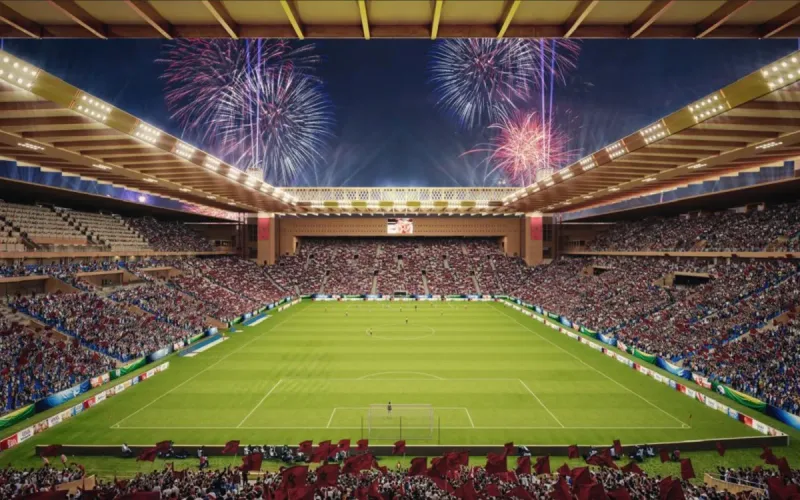
World Cup 2030 Morocco Stadium Giant Project Challenges Spain
On the outskirts of Casablanca, thousands of workers are toiling day and night to build the world’s largest stadium. Morocco’s ambition is clear: to rival the Santiago Bernabéu to host the 2030 World Cup final.
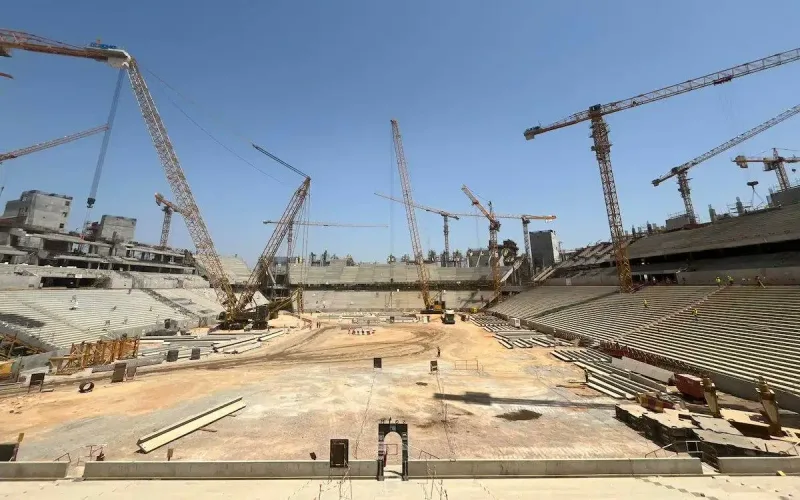
The construction site of the future Grand Stade Hassan II is advancing at a breakneck pace. In just ten months, 30% of this 115,000-capacity complex has already taken shape, according to the EFE agency. To meet deadlines, teams work around the clock in three eight-hour shifts. The current workforce, estimated at 5,000 workers, is expected to double quickly to maintain this pace. According to Yassir Soussi, deputy director of the National Public Equipment Agency, this meticulous organization responds to an "enormous challenge" aimed at delivery in December 2027.
On Bladi.net : Morocco 115000 Seat Stadium Challenges Spain 2030 World Cup Final
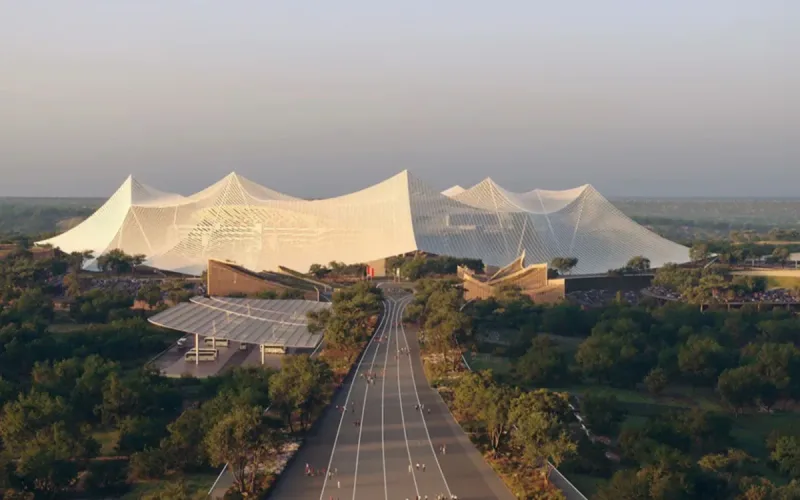
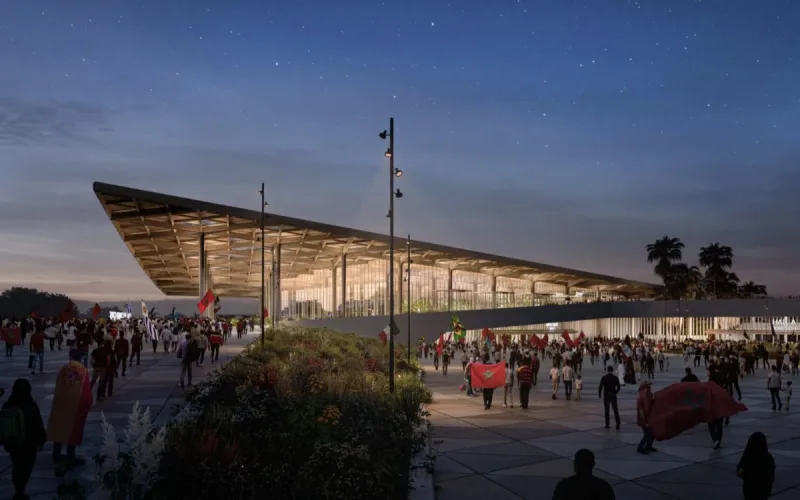
The architecture of the venue draws directly from the country’s cultural roots. Tarik Oualalou, the project’s lead designer, was inspired by the traditional moussem to create a structure covered by a massive tent suspended by cables over twenty hectares. This design incorporates cutting-edge facilities, including a world record of 9,000 VIP and VVIP seats. Located in the heart of a forest area and public property, this natural model is a real asset in negotiations with FIFA against Spanish infrastructure.
On Bladi.net : 2030 World Cup: Morocco’s "pharaonic" project that is shaking Spain
The cost of this sporting jewel amounts to one billion euros. If the completion date is set three years before the competition, it is to guarantee a long testing period allowing every technical detail to be refined beforehand. In parallel, the State is deploying a vast development program. A new railway station will be built to directly connect the site to the metropolis, as part of a global modernization of transport networks and urban planning in the kingdom’s main host cities.