
Morocco
Depression Could Cost Morocco More Than 21 Billion Dollars
Depression could cost the Moroccan economy more than 21 billion dollars by 2050, mainly by reducing labor market participation and the productivity of affected individuals.

Depression could cost the Moroccan economy more than 21 billion dollars by 2050, mainly by reducing labor market participation and the productivity of affected individuals.
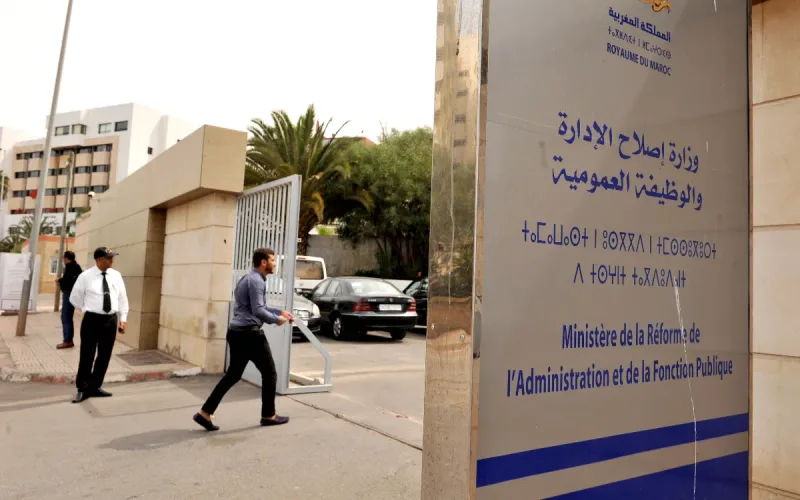
The Moroccan state’s salary expenditure rose sharply in the first half of 2026, now approaching 100 billion dirhams.

Crossing into Ceuta does not entitle anyone to a monthly income, unemployment benefit, or housing. Emergency assistance may be granted to vulnerable people, but it depends on specific criteria and available places.

Hamza had a job and a salary that many young Moroccans would envy. Yet a few videos he saw on TikTok and Instagram convinced him to abandon everything for Sebta. Two days later, he was sleeping hidden in an alley.

Moroccan students wishing to study in France will now have to prove they have at least €877.50 in monthly resources. This new threshold applies to applications submitted from August 1, 2026.

Young Moroccans crossed the Ceuta border after believing they would be housed and then allowed to travel to mainland Spain. Some discovered the truth after spending a night outside: no guaranteed shelter, no visa and sometimes not even anything to eat.

In Spain, a young person without a work permit cannot freely choose their job. They often depend on an intermediary, accept endless working days and can barely protest. The accounts of Moroccan workers reveal the other side of the dream sold before departure.

A Moroccan woman was claiming a Dutch allowance after the death of her husband, who had been living in Morocco for nearly thirty years. The courts upheld the refusal: receiving money or healthcare from the Netherlands does not mean remaining insured in the country.

Morocco’s unemployment rate fell from 13% to 10.8 % with the implementation of a new HCP survey. This dramatic drop does not mean, however, that hundreds of thousands of people have found jobs. It is mainly the result of a new way of counting the unemployed.

Accepting a job in Morocco is not enough to guarantee an MRE the transfer of their salary abroad. To benefit from this possibility, they must notably prove that they were residing outside the country when recruited and that they exercised professional activity there for at least five years.

Private sector employees cannot force their employer to pay their salary in advance before Eid Al-Adha. The Moroccan Labor Code does not provide for any general obligation in this regard.

The World Bank and Morocco are launching a new ten-year partnership. Central objective: create more jobs, particularly for young people and women , by giving greater prominence to the private sector.